


What role does tranexamic acid play in skincare?
As the global skincare market's demand for ‘safe yet effective brightening and spot-fading ingredients’ continues to escalate, tranexamic acid is rapidly becoming a strategic-grade ingredient in major brands' core formulations. Not only does it demonstrate outstanding efficacy in lightening pigmentation, improving dullness, and evening skin tone backed by robust scientific data, but its flexibility in application, high formulation compatibility, and broad regulatory acceptance have made it highly favoured by OEM/ODM manufacturers, formulators, and international buyers. For brands positioning themselves within the brightening segment, Tranexamic Acid transcends its role as a mere functional ingredient. It has become a pivotal factor in enhancing product differentiation and bolstering market competitiveness. Understanding its efficacy and mechanism of action will empower enterprises to develop next-generation, high-performance brightening formulations with greater precision.
I. What is Tranexamic Acid? Why is it suitable for skincare?

Tranexamic Acid is a synthetic amino acid derivative originally applied in the medical field. Due to its stable performance and well-defined mechanism in regulating inflammatory responses and inhibiting excessive pigmentation, it has progressively been incorporated into the core brightening systems of global skincare brands. Unlike traditional whitening agents, tranexamic acid does not directly target melanocytes. Instead, it blocks the ‘upstream signalling pathways’ involved in melanin formation, thereby reducing the appearance of dark spots, dullness, and melasma at their source. This mechanism renders it gentler and safer, avoiding irritation to the skin barrier and making it more suitable for long-term use.
-
Precisely because of this dual advantage of being ‘highly effective yet low-irritation’, tranexamic acid is exceptionally well-suited for use in skincare products targeting whitening, spot reduction, brightening, acne scar fading, and sensitive skin repair. It possesses excellent water solubility, high formulation compatibility, outstanding stability, and strong adaptability, allowing it to be easily incorporated into serums, creams, masks, and even post-aesthetic treatment care products.
II. Core Efficacy in Skincare
1. Fading Pigmentation – Particularly Melasma
Melasma is widely recognised within the skincare industry as one of the most stubborn and challenging types of pigmentation to address. Tranexamic acid has long been incorporated into professional pigmentation-fading formulations due to its three key advantages:
Mechanism of Action: Intervenes at the root of melanin signalling pathways
Safety and Mildness: Non-irritating and does not compromise the skin barrier
Proven efficacy: Demonstrates superior results for melasma compared to most conventional ingredients
Today, numerous spot-fading serums targeting Asian skin and post-aesthetic procedures feature tranexamic acid as a core ingredient.
2. Brightening and evening skin tone
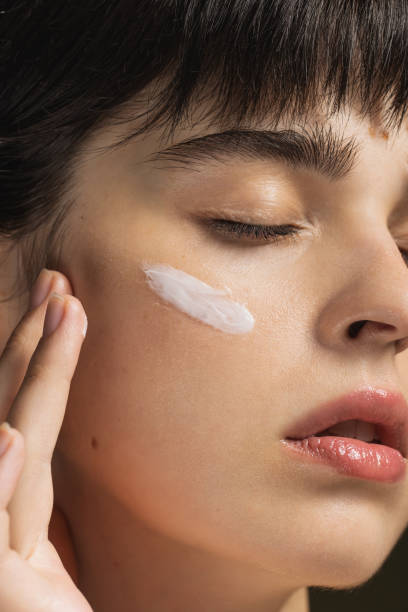
What consumers often describe as ‘dullness’ stems not solely from excessive melanin but also from UV exposure, inflammatory responses, and barrier damage. Tranexamic acid regulates both inflammatory pathways and melanin production signals, fundamentally refining skin to appear clearer, more even, and luminous. This natural brightening effect is key to its popularity in premium skincare.
3. Addressing Inflammatory Hyperpigmentation (Acne Marks, Post-Procedural Darkening)
In practical formulations, brands frequently target these specific scenarios:
- Persistent dark marks following recurrent acne
- Short-term hyperpigmentation risks after laser or light-based treatments
- Localised inflammation and dullness caused by irritating skincare products
Tranexamic acid stabilises the melanin production pathway, reducing the likelihood of pigmentation being ‘activated’ by inflammation. This significantly lowers the occurrence of post-inflammatory hyperpigmentation (PIH) and accelerates the fading of existing dullness.
For medical aesthetic recovery products, anti-acne serums, and spot-fading formulations for sensitive skin, this represents an exceptionally valuable advantage.
III. Synergistic Combinations with Other Ingredients
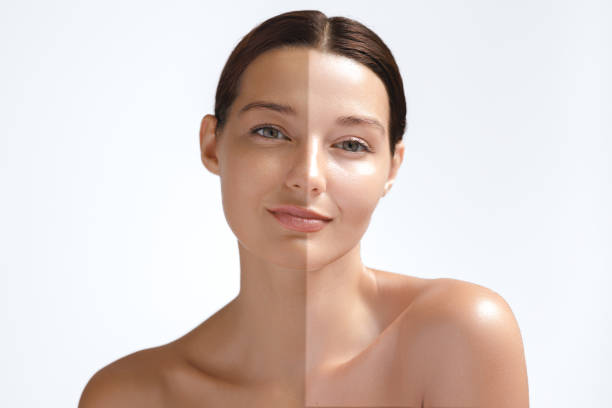
When developing products targeting spot reduction, brightening, and combating dullness, Tranexamic Acid is rarely employed as the sole primary ingredient. Instead, it typically features within a ‘core spot-reducing ingredient + brightening system’ formulation. This approach markedly enhances efficacy stability, skin feel performance, and the speed at which visible results appear to the user.
1. + Niacinamide
→ The golden combination for comprehensive brightening + even skin tone
This pairing represents the most mainstream and stable brightening structure currently available:
Tranexamic acid suppresses melanin signals at their source
Niacinamide intercepts melanin transport to the epidermis
Acting simultaneously at both ‘upstream and downstream’ stages, this dual approach delivers markedly faster brightening results. It is also ideal for formulators seeking to create cost-effective brightening serums suitable for sensitive skin.
2. + Vitamin C Derivatives
→ Enhances translucency for a luminous complexion
Vitamin C derivatives excel at combating oxidative dullness and boosting skin transparency, while tranexamic acid regulates melanin pathways.
This pairing delivers:
A natural, non-artificial radiance
Correction of post-sun ‘dull, sallow’ tones
A more even, luminous complexion
This formulation is ideally suited for daily serums targeting ‘brightening + luminosity’.
3. + 377 (Phenethyl Resorcinol)
→ High-performance solution for professional spot-fading lines
377 has emerged as a star ingredient in premium spot-fading products in recent years. It complements tranexamic acid through complementary mechanisms:
Tranexamic acid: Inhibits pigment formation at its source
377: Targets and lightens stubborn localised spots
This combination is commonly found in:
Professional dermatology brands
Post-aesthetic procedure repair serums
Premium products marketed for ‘deep spot reduction’
Suitable for consumers seeking strong efficacy and rapid spot reduction.
4. + Arbutin
→ A common formulation in mid-to-high-end spot-fading serums, offering both gentleness and efficacy
As a classic spot-fading ingredient, arbutin demonstrates highly stable synergistic effects with tranexamic acid, particularly suited for:
Mid-to-high-end formulations balancing safety and efficacy
Brightening products targeting Asian skin types
Systems aiming to deliver ‘all-day spot-fading’
Compared to 377, arbutin is gentler; compared to using tranexamic acid alone, the combination achieves faster spot-fading results.
5. + Retinol
→ An effective combination for post-acne scar repair and overall skin renewal
This formulation is commonly found in triple-action products addressing ‘acne + scar fading + anti-ageing’:
Retinol promotes keratin renewal, accelerating the metabolism of acne marks
Tranexamic acid stabilises melanin production pathways, reducing post-inflammatory hyperpigmentation risk
Suitable for:
Acne-fighting serums
Post-acne mark fading products
Skin types experiencing early signs of ageing alongside dullness
For users prone to frequent breakouts and pigmentation marks, this combination delivers exceptionally pleasant results.
IV. Why are brands increasingly relying on tranexamic acid?
-
Tranexamic acid is emerging as a strategically vital ingredient for brands in the skin-brightening and spot-fading sector, a trend driven by its five core advantages:
1 . Clinical evidence underpins market trust
Tranexamic acid boasts robust clinical research data, with its efficacy in improving melasma and brightening skin tone validated by multiple authoritative journals. This provides brands with robust efficacy endorsement, directly translating into tangible consumer word-of-mouth accumulation.2 . Gentle Efficacy Suited to Diverse Skin Types
Compared to traditional potent whitening ingredients, tranexamic acid operates through a gentler mechanism, minimising irritation risks and proving particularly suitable for Asian sensitive skin. This ‘high efficacy, low sensitivity’ characteristic significantly broadens the product's target demographic.3 . Cost Advantage Ensures Supply Stability
Compared to whitening ingredients like VC derivatives and 377, tranexamic acid offers more controllable raw material costs and stable supply. This provides reliable assurance for the brand's product pricing strategy and long-term market planning.4 . Formulation Flexibility Builds Product Matrix
Tranexamic acid possesses exceptional formulation compatibility. It synergises effectively with ingredients like niacinamide and tranexamic acid while integrating seamlessly into various dosage systems. This adaptability empowers brands to develop distinctive ‘brightening combinations’.5 . Industry Benchmarking Establishes Consensus
As international brands like Shiseido and Skinceuticals consistently feature tranexamic acid as a core ingredient, its market recognition has rapidly increased. This has spurred smaller brands to actively follow suit, gradually establishing it as a standard component within the whitening category.
V.How to Select Premium Raw Materials?
This is a primary concern for many B2B clients. We have summarised four key considerations:
1. Purity ≥ 99%
Ensures superior stability and enhanced efficacy.
2. Comprehensive Documentation
COA / MSDS / TDS / IFRA certificates, etc.
3. Microbial and Heavy Metal Standards Meeting International Requirements
Particularly crucial for clients exporting to Europe and America.
4. ISO/GMP-certified manufacturing facilities
Consistent supply capability and product uniformity are paramount.
As a long-standing manufacturer specialising in tranexamic acid supply, we possess deep industry insight into this ingredient's trajectory. Far from a fleeting buzzword, it represents a ‘long-term value ingredient’ poised to dominate global skincare formulations for years to come. It combines three key attributes: mildness, safety, and efficacy. Its well-established scientific mechanisms have earned it high recognition in both consumer and professional applications. For brands, this translates to delivering tangible efficacy benefits while ensuring product stability, safety, and regulatory compliance.
Should you be developing product lines targeting pigmentation reduction, brightening, medical-grade repair, or acne scar treatment, we offer comprehensive support from raw materials to technical expertise. We supply high-purity 99% tranexamic acid raw material, formulation development advice, stability and compatibility guidance, alongside comprehensive technical documentation and compliance files for global markets. Additionally, we offer bespoke formulations and OEM/ODM solutions tailored to your product positioning, accelerating your time-to-market.
Whether you are in the early stages of R&D or seeking a stable supply chain, we welcome your enquiries at any time. We are eager to become your long-term partner in creating your next high-performance product.
📚 References: