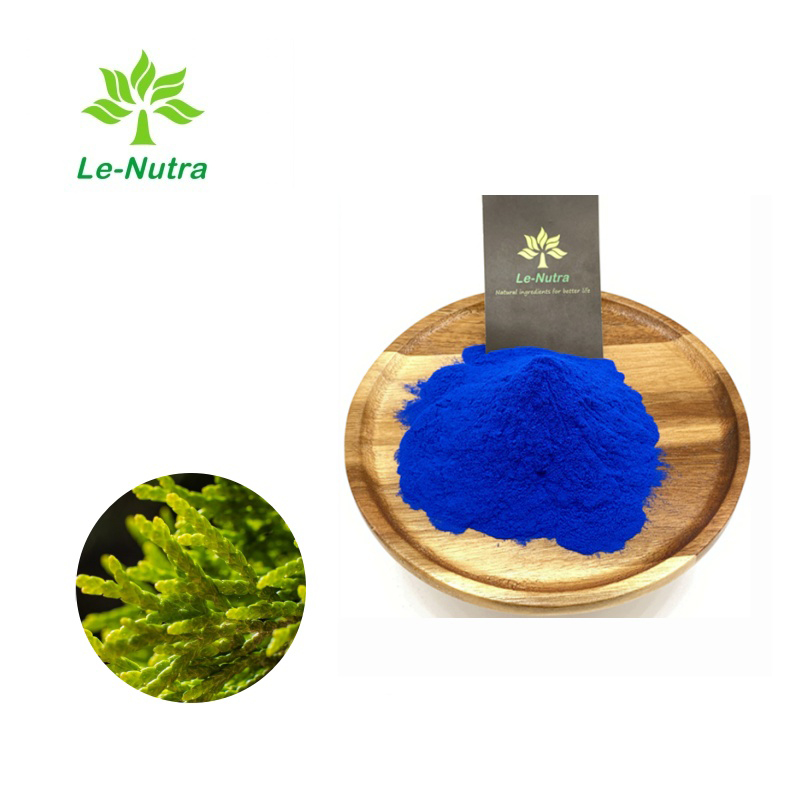
Natural Food Coloring Phycocyanin Powder
Spirulina Extract (Phycocyanin) is a premium, water-soluble pigment protein valued globally as a clean-label alternative to synthetic blue dyes.
- Other Name: Spirulina Extract, C-PHYCOCYANIN
- Appearance: Brilliant Blue Powder
- Color Value Options: E6, E18, E25, E40
- CAS Number: 11016-15-2
- Packaging Options: 0.5-5kg bag (sterile vacuum), 25kg drum
The Clean Label Mandate vs. Synthetic Blue
As global health agencies tighten regulations on synthetic colors like Brilliant Blue (FD&C Blue No. 1), the food and beverage industry faces an urgent transition to natural alternatives.
The Synthetic Backlash
Artificial colorants such as Brilliant Blue FCF face mounting consumer resistance and regulatory pressure. Studies linking synthetic food dyes to hyperactivity in children have spurred strict labeling laws in the EU and localized bans, leaving brands searching for clean-label replacements.
The R&D Bottleneck
Unlike synthetic dyes which are highly stable, natural blue pigments are notoriously sensitive. The primary natural blue option, Phycocyanin, is a protein. When exposed to normal manufacturing conditions—such as high heat pasteurization and low pH environments—it denatures and fades.
Application Pitfalls
Acidic carbonated soft drinks, fruit juices, functional yogurts, and gummies present extreme environments for Phycocyanin. Without technical intervention, products lose their vibrant blue hue on store shelves, severely impacting consumer appeal and brand trust.
The Molecular Structure of Phycocyanin
Phycocyanin is a water-soluble pigment-protein complex belonging to the phycobiliprotein family. Its brilliant blue color is derived from a covalently bound open-chain tetrapyrrole chromophore called phycocyanobilin.
In its native state, the protein structure shields the chromophore, maintaining its highly reflective blue conformation. However, because it is a protein, the overall stability of the color depends entirely on the folded structure of the apoprotein. When environmental stresses like heat or extreme pH are introduced, the protein denatures.
This unfolding process exposes the chromophore to the surrounding solvent, causing a rapid loss of its characteristic blue color and converting it into a dull, greyish-brown shade.

Formulator's Guide: Managing pH Sensitivity
Understanding the chemical behavior of Spirulina Extract at different pH levels is critical to preventing precipitation and fading in beverage and dairy applications.
Phycocyanin Stability Index by pH
Key Takeaways for Formulators
Stability Range: Phycocyanin exhibits its highest stability within a pH range of 4.5 to 8.0. In this range, the protein maintains its native oligomeric state, keeping the blue color bright and clear.
The Isoelectric Point Threat: The isoelectric point (pI) of Phycocyanin is approximately 4.3. At or near this pH, the net electrostatic charge of the protein approaches zero.
When this occurs, electrostatic repulsion between the proteins drops, causing the molecules to aggregate and precipitate out of solution. This results in unsightly blue sediment at the bottom of the container and a loss of color in the liquid.
Improving Thermal Stability in Processing
Most food and beverage products undergo pasteurization or thermal processing. Here is how you can protect your natural blue pigment from heat-induced denaturation.
1. Osmoprotectants & Sugars
Adding high concentrations of sugars or polyols (such as sucrose, trehalose, or sorbitol) helps protect the protein's structure. These molecules reinforce the water structure around the Phycocyanin, making it more resistant to heat-induced unfolding.
2. Buffer Salts
Using salts like sodium citrate, sodium chloride, or potassium phosphate helps stabilize Phycocyanin. These salts adjust the ionic strength of the solution, preventing the protein molecules from unfolding during pasteurization.
3. Microencapsulation
Microencapsulation coats the Phycocyanin in a protective matrix, such as maltodextrin, gum arabic, or alginate. This physical barrier shields the pigment from heat, acid, and oxygen, extending its shelf life.
4. Temperature Management
Whenever possible, opt for High-Temperature Short-Time (HTST) or Ultra-High Temperature (UHT) pasteurization instead of long-batch pasteurization. Minimizing the time the pigment is exposed to heat helps preserve its color.
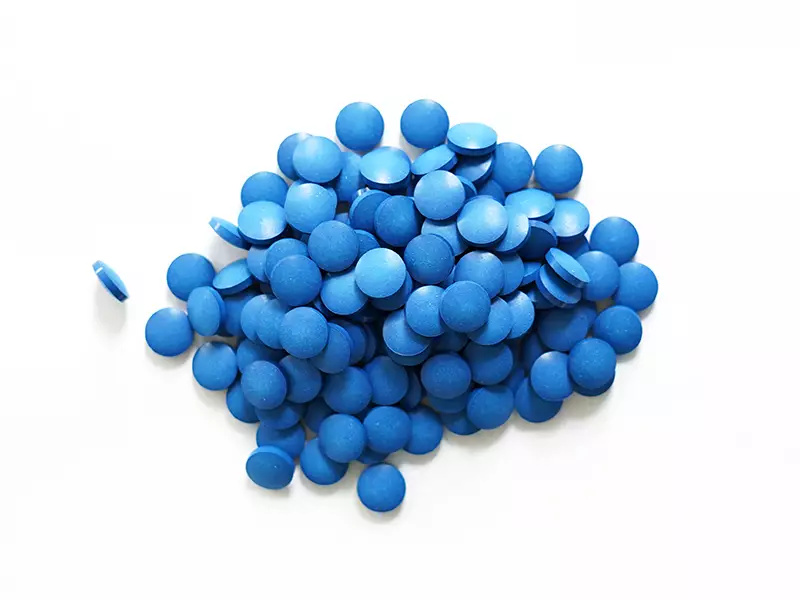
LeNutra's Stabilized Phycocyanin Solutions
As a leading phycocyanin powder supplier, LeNutra has spent years developing advanced formulations to solve the stability challenges faced by food and beverage brands.
We don't just supply standard powder; we offer custom, application-specific solutions. Our specialized acid-resistant and heat-stable Phycocyanin grades are designed to withstand low-pH environments and pasteurization temperatures without fading or precipitating.
By partnering with LeNutra, brands can access tailored technical support, sample testing, and custom formulations. This helps streamline your R&D process, prevent common formulation mistakes, and speed up your time-to-market.
Key Benefits of Phycocyanin Powder
Beyond its vibrant blue color, Phycocyanin offers a range of functional health benefits, making it an excellent ingredient for wellness products and clean-label foods.
Powerful Antioxidant
Phycocyanin helps neutralize free radicals and protects cells from oxidative stress. This supports overall cellular health and helps prevent chronic diseases related to aging.
Anti-Inflammatory Properties
Studies show Phycocyanin can help reduce inflammation in the body. This makes it a popular ingredient for joint health, recovery supplements, and anti-inflammatory foods.
Supports Immune Health
Phycocyanin supports the immune system by promoting the production of white blood cells, helping the body defend itself against infections.
Natural Protein Source
Derived from Spirulina, Phycocyanin is a plant-based protein containing essential amino acids that support muscle recovery and tissue regeneration.
Improves Oxygen Utilization
By supporting red blood cell production, Phycocyanin helps improve oxygen transport in the body, boosting energy levels and athletic endurance.
Clean Label & Vegan
100% plant-based, non-GMO, and free from synthetic chemicals, Phycocyanin fits perfectly into clean-label, vegan, and vegetarian product lines.
Diverse Product Applications
From functional beverages to sports nutrition and cosmetics, Phycocyanin adds both vibrant natural color and functional health benefits.
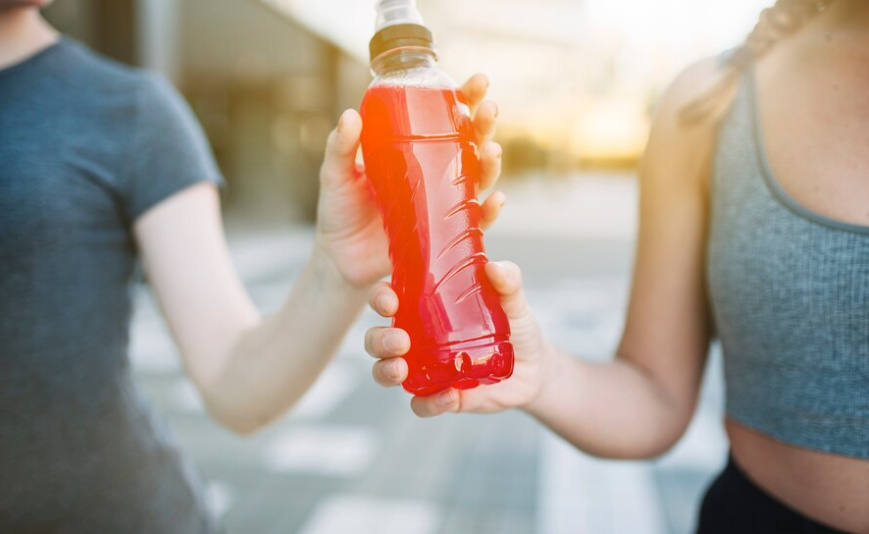
Sports & Fitness Nutrition
Phycocyanin is widely used in pre- and post-workout formulations, recovery drinks, and protein powders. Its anti-inflammatory properties help reduce muscle soreness, while its antioxidant profile supports faster recovery after intense exercise.
Because athletes look for clean-label, plant-based options, Phycocyanin serves as an excellent natural alternative to synthetic blue dyes in sports nutrition products.
Functional Foods & Cosmetics
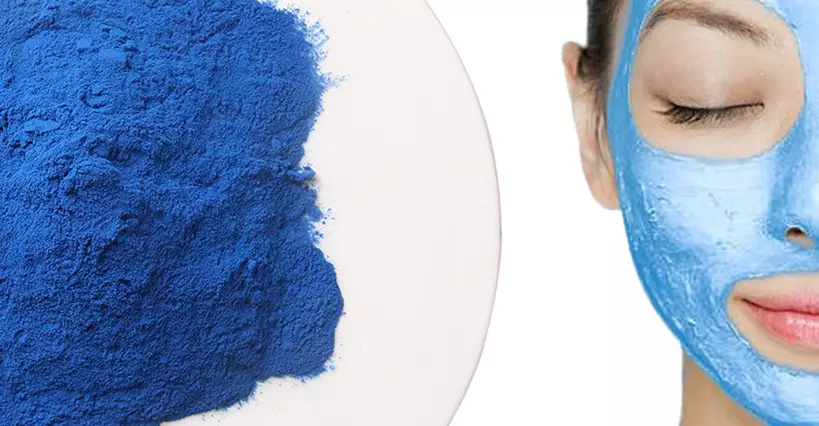
In the food industry, Phycocyanin is used to color smoothies, yogurts, ice creams, and confectionery. When stabilized, it can also be used in pasteurized juices and carbonated soft drinks.
In cosmetics, Phycocyanin's antioxidant and anti-inflammatory properties make it a popular ingredient in skincare products. It helps soothe irritated skin, protect against environmental damage, and reduce signs of aging.
Partner with LeNutra
With over 10 years of experience in the natural ingredients industry, LeNutra provides high-quality, compliant ingredients and dedicated technical support.
10+ Years
Industry Experience
USP/EP/BP
Compliant Standards
Free Samples
Available for Testing
Full Support
Documentation & Technical Help
Our Packaging & Quality Assurance
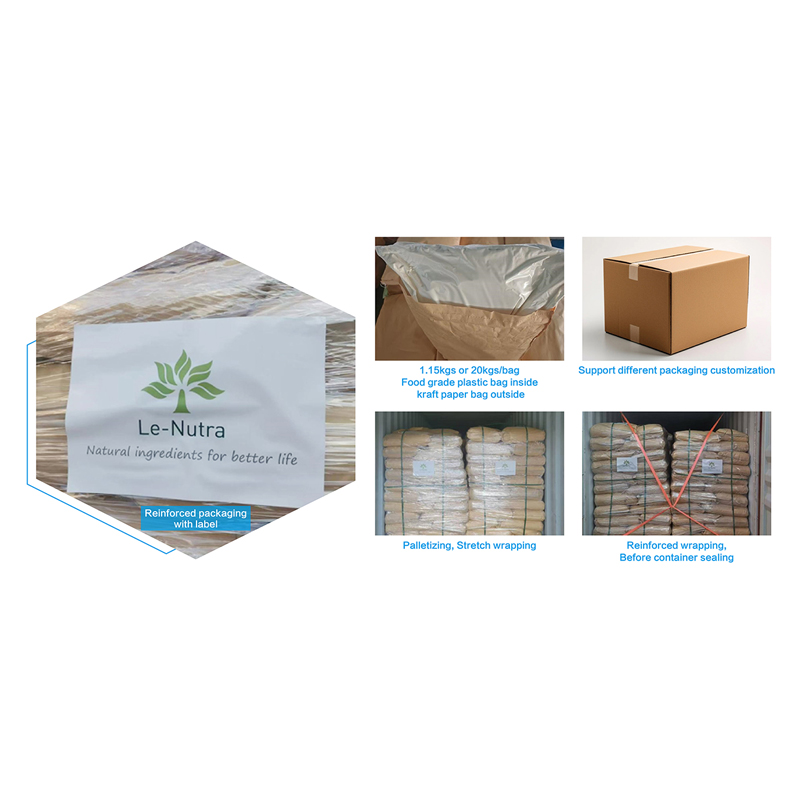
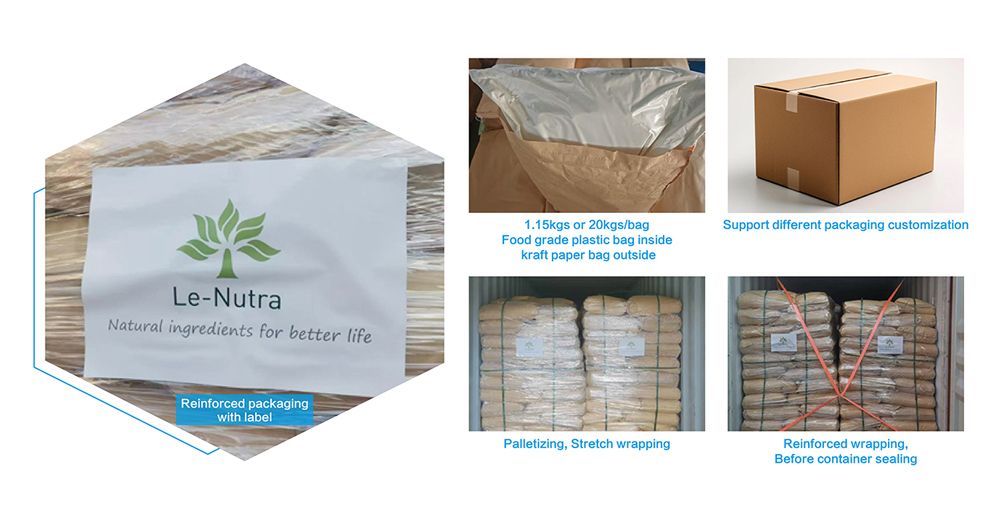
Our Phycocyanin is packaged in food-grade plastic inner bags and durable kraft paper outer bags. Available in 15kg/bag and 25kg/bag sizes, we also offer custom packaging options to meet your production needs.
Get in Touch for Technical Support & Quotes
Contact our team of formulation experts to request samples, discuss stability solutions, or receive a wholesale quote.