Leave Your Message
0%

Picking out a Peptide Hydrolysate supplier isn’t just about comparing prices per kilogram, you know? There’s a lot more to think about. It’s worth digging into where the material comes from, how it’s made, what you’re actually using it for, and whether the batches stay pretty consistent. I’ve seen cases where a powder looks exactly the same in a sample, but then behaves totally differently once you include it in your final product. Things like solubility, smell, color, and particle size — those are practical details you should check early on.

When chatting with suppliers, don’t hesitate to ask for their current specifications, certificates of analysis, allergen info, and how they track their ingredients. Take a close look at the protein content, amino acid profile, moisture levels, and microbiological or contaminant limits — compare all that with what you need for your product. The paperwork is important, but so is good communication. A decent supplier should explain how they test their specs and what happens if a batch doesn’t meet the mark. And if possible, it’s worth testing samples under real processing conditions, rather than just relying on their data sheets.

If you’re sourcing globally, there are extra questions to ask. Make sure you know their production capacity, minimum order sizes, packaging options, lead times, and what export paperwork is involved before you commit to a big order. Shipping rules and labeling requirements can be totally different depending on where you’re headed — it’s smart to double-check those with qualified local experts.

This guide covers some of the top Peptide Hydrolysate suppliers and gives you tips on how to compare them — from quality systems and tech support to how reliable they are with deliveries. But remember, no checklist can catch every detail. A supplier might look good on paper, but that doesn’t always mean they’ll deliver consistent performance. Sometimes even the most thorough checks leave you with questions. The goal here isn’t to find one perfect supplier that fits everyone, but to help you build a smarter shortlist so you can pick who really works best for you.
Top Peptide Hydrolysate Suppliers for Global Buyers?

What Peptide Hydrolysates Are and How They Are Produced

Peptide hydrolysates are protein ingredients broken into smaller chains called peptides. Manufacturers usually start with milk, egg, fish, soy, or Wheat Protein Hydrolysate. The selected protein is mixed with purified water and adjusted to a controlled pH. Food-grade enzymes then cut long protein structures into shorter fragments. Temperature and reaction time require close monitoring. Too much heat can damage sensitive amino acids. Too little enzyme activity can leave large, poorly dissolved proteins. The process sounds tidy, but it is not perfectly uniform. It is measurable.

After hydrolysis, manufacturers stop the enzyme reaction through controlled heating or pH adjustment. Filtration removes insoluble particles and separates peptides by size. Some producers use membrane filtration for tighter molecular-weight control. The liquid may then be concentrated and spray-dried into a stable powder. Experienced buyers should request batch records, allergen declarations, microbiological results, and molecular-weight data. Residual moisture also matters because it affects storage life and flowability. For Wheat Protein Hydrolysate, buyers should verify gluten status and labeling requirements in each destination market. Not every batch behaves alike. Raw material age, enzyme choice, and drying conditions can change taste, solubility, and peptide distribution. A reliable supplier explains these variables instead of offering only a generic specification sheet. Independent testing can confirm identity, purity, heavy-metal limits, and microbial safety before commercial approval.

How Peptide Hydrolysates Are Used Across Industries

Top Peptide Hydrolysate Suppliers for Global Buyers

Peptide hydrolysates are used across food, sports nutrition, cosmetics, research, and animal nutrition. Manufacturers create them by breaking proteins into smaller peptide chains through controlled enzymatic processing. These ingredients may improve solubility, dispersion, and formulation flexibility. In a powdered beverage, for example, the material should dissolve without heavy sediment or a harsh aftertaste. Cosmetic formulators may value smooth texture and compatibility with water-based products. Results depend on the original protein and processing conditions.

Food and nutrition companies often assess amino acid profiles, molecular-weight distribution, moisture, microbiological status, and heavy-metal limits. Cosmetic buyers may request allergen statements, stability data, and skin-safety documentation. Research users usually need consistent specifications between batches. A certificate of analysis helps, but it is not enough by itself. Independent testing can reveal variation that routine paperwork misses. No hydrolysate is perfect. Smaller peptides are not automatically better, and stronger processing can affect flavor.

Tips: Define the application before comparing suppliers. Ask for sample testing, traceability records, production controls, and realistic shelf-life data. Check whether the ingredient meets destination-market requirements. Compare actual performance in your formula, not only the quoted price. A useful pilot test includes mixing time, clarity, taste, odor, and storage behavior. Small differences matter. Reliable sourcing requires technical review, clear communication, and a willingness to question convenient assumptions.

Which Quality and Technical Specifications Buyers Should Compare

Global buyers should compare peptide hydrolysates by verified specifications, not by protein percentage alone. The FAO’s State of World Fisheries and Aquaculture 2024 reported 185 million tonnes of aquatic animal production in 2022. This scale increases raw-material options, but it also raises traceability concerns. Ask suppliers for species identification, origin, processing dates, and batch-level chain-of-custody records.

Technical comparison starts with degree of hydrolysis, peptide molecular-weight distribution, protein content, moisture, ash, solubility, and pH. A single hydrolysis value is not enough. It may hide large differences in peptide size and functional performance. Require chromatographic peptide profiles, preferably linked to validated laboratory methods. Microbial limits, heavy metals, residual solvents, allergens, and oxidation markers also need documented results. Testing should follow recognized procedures, with laboratories operating under ISO/IEC 17025 where possible. Small details matter, especially when powders are exposed to humid warehouse air.

The FAO’s protein-quality guidance supports evaluating amino-acid composition and digestibility, rather than relying only on crude protein figures. Buyers should therefore compare nitrogen-to-protein conversion factors and, when relevant, DIAAS-related evidence. Stability data should include sealed and opened-pack conditions, not only ideal storage. One practical weakness remains common: suppliers may provide attractive certificates, but limited raw chromatograms. That should invite questions, not immediate rejection. Performance trials should measure dispersibility, taste, odor, and batch consistency in the buyer’s actual formulation. Lower cost can become expensive when rework begins.

Top Peptide Hydrolysate Suppliers for Global Buyers: Quality and Technical Specifications to Compare

Typical buyer screening benchmarks for food, nutrition and technical peptide hydrolysates. Values are representative specification limits, not company or brand claims.

Protein content: Buyers commonly screen for a minimum of about 80% protein on a dry basis.
Moisture: A limit near 8% helps support powder stability and storage performance.
Ash: A maximum near 5% is often used to control mineral and salt residues.
Fat: A low-fat specification, commonly around 3% or below, can improve application consistency.
Additional checks: Compare peptide molecular-weight distribution, amino-acid profile, solubility, pH, microbiological limits, heavy metals, allergens and traceability.

Actual limits vary by raw material, hydrolysis process, intended application and applicable regulations. Buyers should verify each value through the supplier’s current specification sheet, certificate of analysis and test method.

How to Assess Leading Peptide Hydrolysate Suppliers Worldwide

Assessing leading peptide hydrolysate suppliers worldwide requires more than comparing prices. Start with the material’s intended use, processing conditions, and required peptide profile. A credible supplier should explain raw material origin, enzymatic method, degree of hydrolysis, and expected solubility. Ask for a recent certificate of analysis, not a generic template. Check protein content, moisture, ash, microbiological limits, and heavy metal results. For Pea Protein Hydrolysate Powder, the amino acid profile and flavor notes deserve close attention.

Practical experience often appears in small details. Request a representative sample from the same production line used for commercial orders. Observe powder flow, odor, color, and dispersion in cold water. Then compare those observations with the technical sheet. Reliable suppliers maintain batch numbers, retained samples, and traceability records. They should also explain storage temperature, shelf life, packaging layers, and transport controls. Independent laboratory testing can confirm key claims when the application is sensitive.

Communication is another useful test. Technical staff should answer clearly, admit limits, and provide realistic lead times. Be cautious when every result sounds perfect. My own evaluations sometimes focused heavily on laboratory data while overlooking delayed responses or weak corrective-action reports. That was a mistake. A supplier’s audit history, change-notification process, and complaint handling reveal operational maturity. Regional documentation requirements may differ, so buyers should verify import, labeling, and safety expectations with qualified local professionals.

What Certifications and Regulatory Requirements Apply to Suppliers

For global buyers, supplier qualification begins with product classification, not a logo on a certificate. Keratin Hydrolysate may serve cosmetics, food, feed, or technical applications. Each route creates different obligations. Food suppliers should demonstrate HACCP-based controls, GMP, traceability, allergen management, and applicable preventive controls. Cosmetic suppliers should provide ingredient identity, purity data, safety documents, and manufacturing controls aligned with ISO 22716 where relevant. In the European Union, Regulation (EC) No 1223/2009 places product safety responsibility on responsible persons, not certificates alone.

The ISO Survey 2023 reported more than 1.2 million ISO 9001 certificates worldwide. Scale helps, but quality systems do not replace batch evidence. Request a current certificate of analysis, microbiological limits, heavy-metal results, residual-solvent data, origin statements, and lot-level traceability. For animal-derived hydrolysates, verify species, tissue source, processing controls, and applicable veterinary documents. The FAO and WHO emphasize science-based risk assessment for food safety. Testing should match exposure and intended use. A supplier may hold ISO 22000 yet fail a specific customer specification. That gap deserves attention.

Tips: Ask for audit scope, certificate expiry, issuing body, and site address. Check whether the certificate covers hydrolysate production, not only storage. Compare three recent lots. Keep signed change-notification terms. Do not accept “food grade” without defined limits. Claims can be vague.

How to Compare Pricing, Logistics, and Supply Reliability

Top Peptide Hydrolysate Suppliers for Global Buyers?

Comparing peptide hydrolysate suppliers requires more than checking the lowest quoted price. Ask for a recent specification sheet, certificate of analysis, and batch history. Protein Hydrolysate 20 may vary in peptide size, moisture, solubility, and flavor. These differences affect production costs later. A cheaper drum can become expensive after reformulation or rejected testing. Request pricing by metric ton, packaging type, minimum order, and delivery term. Small details matter.

Logistics should be tested against your actual route. Confirm production lead time, port options, export documents, and storage requirements. Some suppliers quote seven days, but dispatch begins only after payment confirmation. That gap matters. Request a shipment timeline with milestones. Check whether containers use moisture protection and clear lot labels. For sensitive materials, ask how temperature exposure is recorded during transit.

Reliability is visible through evidence, not confident promises. Review at least three previous lot records and compare key values. Ask about backup raw-material sources, production capacity, and complaint handling. A supplier should explain deviations without hiding behind vague language. References from similar buyers can help, though they are not perfect proof. My own purchasing reviews have shown one weakness: forecasts are often too optimistic. Keep a safety stock based on real consumption, customs delays, and seasonal congestion. A pilot order can reveal more than a polished presentation.

Top Peptide Hydrolysate Suppliers for Global Buyers? - How to Compare Pricing, Logistics, and Supply Reliability

Indicative 2025 market benchmarks for anonymized supplier profiles. Actual pricing, availability, certifications, freight, duties, and lead times vary by peptide source, hydrolysis degree, specification, destination, order volume, and contract terms.

Supplier Profile Typical Product Scope Common Application Indicative Price Range
(USD/kg)
Typical MOQ Standard Production Lead Time Sample Availability Typical Export Documents Logistics Strength Supply Reliability Best-Fit Buyer
Large Food-Grade Protein Hydrolysate Producer Whey peptides Milk peptides Plant peptides Sports nutrition, functional foods, beverages, and dietary supplements $6–$18 500–1,000 kg 4–8 weeks Usually available; 100–500 g is common COA, specification sheet, SDS, allergen statement, non-GMO statement, certificate of origin, commercial invoice, packing list High
Regular ocean and air-freight programs
High
Multiple production lines and established quality systems
Global supplement brands and high-volume importers
Specialized Collagen Peptide Manufacturer Marine collagen peptides Bovine collagen peptides Porcine collagen peptides Beauty-from-within products, joint-health formulas, powders, and ready-to-drink products $8–$25 300–1,000 kg 4–10 weeks Generally available after NDA or application review COA, molecular-weight profile, amino-acid profile, source statement, allergen declaration, SDS, origin documents, export paperwork High
Good experience with temperature-controlled and ocean shipments
High
Usually supports lot traceability and source controls
Buyers requiring defined collagen source and peptide profile
Mid-Sized Plant Protein Hydrolysate Supplier Pea peptides Rice peptides Soy peptides Vegan nutrition, plant-based beverages, sports nutrition, and clean-label formulations $7–$20 200–500 kg 5–9 weeks Commonly available; small paid samples may apply COA, allergen statement, non-GMO declaration where applicable, vegan statement, SDS, certificate of origin, packing documents Medium–High
Flexible consolidation options for smaller orders
Medium–High
Reliability depends on raw-material harvest and seasonal supply
Emerging brands and buyers seeking flexible MOQs
Fish-Based Peptide Hydrolysate Specialist Fish protein hydrolysate Marine peptides Functional nutrition, recovery products, animal nutrition, and specialty formulations $5–$16 500–2,000 kg 4–8 weeks Available, subject to raw-material and odor-profile checks COA, species/source declaration, heavy-metals report, microbiological report, allergen statement, SDS, origin and shipping documents Medium–High
Ocean freight is usually cost-efficient
Medium
Supply may vary with fishing seasons and species availability
Cost-sensitive industrial and nutrition buyers
Custom Hydrolysis and Formulation Partner Custom degree of hydrolysis Blended peptide systems Private specifications Clinical nutrition, specialized supplements, R&D projects, and differentiated formulations $18–$60+ 25–100 kg for pilot lots; 250 kg+ for routine production 8–16 weeks Usually available after technical review COA, full specification, validation or process summary, stability data when available, SDS, allergen and regulatory statements, batch records by agreement Medium
Longer technical approval and production cycles
Medium–High
Strong traceability, but capacity may be limited
Buyers prioritizing technical differentiation over lowest price
Pharmaceutical-Grade Peptide Ingredient Manufacturer High-purity hydrolysates Controlled molecular-weight fractions Medical nutrition, regulated formulations, research, and pharmaceutical-support applications $40–$150+ 10–50 kg for development; 100 kg+ for commercial orders 10–24 weeks Available after qualification and intended-use review Detailed COA, validated analytical methods, GMP-related documentation where applicable, impurity profile, stability information, SDS, regulatory package Medium
Strict release procedures can extend shipping schedules
Very High
Strong batch control and documented quality systems
Regulated buyers with demanding quality and traceability requirements
Regional Distributor and Stocking Supplier Multiple peptide sources Standard grades Small pack sizes Laboratory trials, pilot production, small supplement runs, and urgent replenishment $12–$35 1–25 kg from stock; 100 kg+ for scheduled imports 1–3 weeks from local stock; 6–12 weeks for replenishment Usually readily available COA, SDS, local invoice, batch information, origin documents on request, and supplier traceability records Very High
Short domestic delivery and lower import complexity
Medium
Depends on distributor inventory and upstream allocation
Small and medium-sized buyers needing speed and low MOQ

Mung Bean Peptide Powder: Market Outlook from Grand View Research and MarketsandMarkets Reports

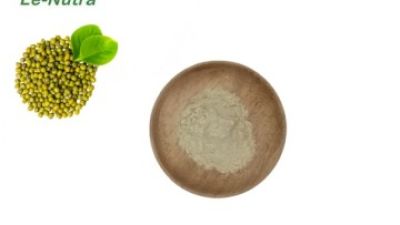
Mung bean peptide powder is gaining attention as plant-based nutrition continues to develop across the dietary supplements market. Market outlooks presented in major industry research reports indicate growing interest in protein ingredients that support clean-label formulations, convenient nutrition, and diversified plant protein sources. Mung bean peptides may appeal to supplement manufacturers seeking functional ingredients with a neutral application profile and a protein content of at least 85.0%. Their light yellow to off-white appearance and characteristic odor allow flexible use in powders, sachets, capsules, and blended nutritional formulas, subject to formulation requirements.

This ingredient is supplied as a fine powder with moisture controlled at no more than 7.0% and ash at no more than 6.5%, supporting storage stability and consistent processing. It is intended for dietary supplement applications and can be incorporated into protein drinks, nutritional blends, and other powdered products. For practical distribution, the product is packed in a food-grade plastic inner bag with an outer kraft paper bag, available in 15 kg or 25 kg quantities, with customized packaging quantities also accepted. As consumers increasingly examine protein quality, plant-based sourcing, and convenient formats, mung bean peptide powder offers manufacturers an adaptable option for developing differentiated supplement products.

FAQS

What are peptide hydrolysates?

Peptide hydrolysates are proteins broken into shorter peptide chains. They usually come as powders. Smaller does not always mean better.

How are peptide hydrolysates produced?

Manufacturers mix selected proteins with purified water. Food-grade enzymes then cut long protein structures into shorter fragments.

What happens after enzymatic hydrolysis?

Manufacturers stop the enzyme reaction through controlled heating or pH adjustment. Filtration removes insoluble particles and separates peptides by size.

Which details should buyers request from suppliers?

Request batch records, allergen declarations, microbiological results, and molecular-weight distribution data.

Where are peptide hydrolysates commonly used?

They are used in food, sports nutrition, cosmetics, research, and animal nutrition.

How should buyers test a hydrolysate before approval?

Run a pilot test in the actual formula. Measure mixing time, clarity, taste, odor, and storage behavior.

Are certifications enough to confirm product quality?

No. Certifications show a quality system, but they do not replace lot-specific evidence.

What documents may food and cosmetic buyers need?

Food buyers may need allergen controls, traceability, microbiological limits, and heavy-metal results.

What should buyers check for animal-derived hydrolysates?

Verify species, tissue source, processing controls, and applicable veterinary documents.

How can buyers choose a reliable supplier?

Define the application before comparing suppliers. Request samples, traceability records, realistic shelf-life data, and change-notification terms.

Conclusion

Peptide Hydrolysate is a protein-derived ingredient produced by breaking larger proteins into smaller peptides through controlled enzymatic or chemical hydrolysis. Its properties can be adjusted by selecting the source material, processing conditions, and degree of hydrolysis. As a result, peptide hydrolysates are used across nutrition, food and beverage, cosmetics, biotechnology, and specialized manufacturing applications. Buyers should evaluate peptide size distribution, protein content, solubility, moisture, flavor, microbiological limits, heavy-metal levels, allergen information, and batch consistency to ensure the material matches its intended use.

When assessing global suppliers, buyers should review manufacturing capabilities, quality-control systems, traceability, documentation, and technical support. Relevant certifications and regulatory compliance should be verified according to the destination market and application, including food, feed, cosmetic, or industrial requirements. A complete comparison should also consider pricing, minimum order quantities, packaging, shelf life, lead times, transportation conditions, payment terms, and contingency planning. Reliable suppliers should provide clear specifications, consistent communication, and evidence of dependable production and delivery performance.

Sophie

Sophie

Sophie is a dedicated professional marketer with a profound expertise in the natural and innovative raw materials industry. As part of a forward-thinking company that specializes in the research, production, and marketing of high-quality nutraceuticals, foods, beverages, and cosmetics, she brings a......
Previous China Best Protein Peptides for Beverage Solubility
Next What Is Hydrolyzed Wheat Protein in Sports Nutrition?