Leave Your Message
Hydrolyzed wheat protein is really catching the eye of athletes, supplement makers, and sports nutrition experts these days. Basically, it’s made by breaking down wheat protein into smaller pieces called peptides with enzymes — kind of like chopping it up to make it easier for your body to handle. Depending on the product and your digestion, these tiny peptides might be easier to process than the full-on wheat protein. That’s why you'll find it in certain sports nutrition ingredients designed for recovery drinks, protein bars, and smart functional beverages.
Now, let’s talk about the benefits of hydrolyzed wheat protein in sports nutrition. It can be a handy source of amino acids right after your workout, which is pretty awesome. Plus, it can help improve the texture, dissolve more easily in liquids, and give formulators a bit more flexibility. However, don’t forget—it’s not a complete protein because it’s got relatively little lysine. Athletes shouldn’t see it as a perfect replacement for dairy, eggs, soy, or other full-spectrum proteins. Remember, it all depends on your overall diet.
And here’s the thing—evidence really matters. A qualified sports nutritionist can help you figure out if it’s a good fit for your training routine, diet, allergies, or preferences. For folks with celiac disease or wheat allergies, it’s crucial to steer clear unless your doctor or a health professional says otherwise. Always check labels carefully, making sure ingredients are listed clearly and allergen info is upfront. Independent testing can also be a good way to verify the product’s purity and protein content. But, don’t forget, the picture’s not always black and white. Some marketing claims tend to move faster than scientific research, and that gap can be tricky to navigate. So, a trustworthy guide is key—they should distinguish between what’s firmly backed by science and what’s still just promising but not fully proven. This article will walk you through how hydrolyzed wheat protein is made, where it might fit into your diet, and what to consider before adding it to your game plan for better performance.
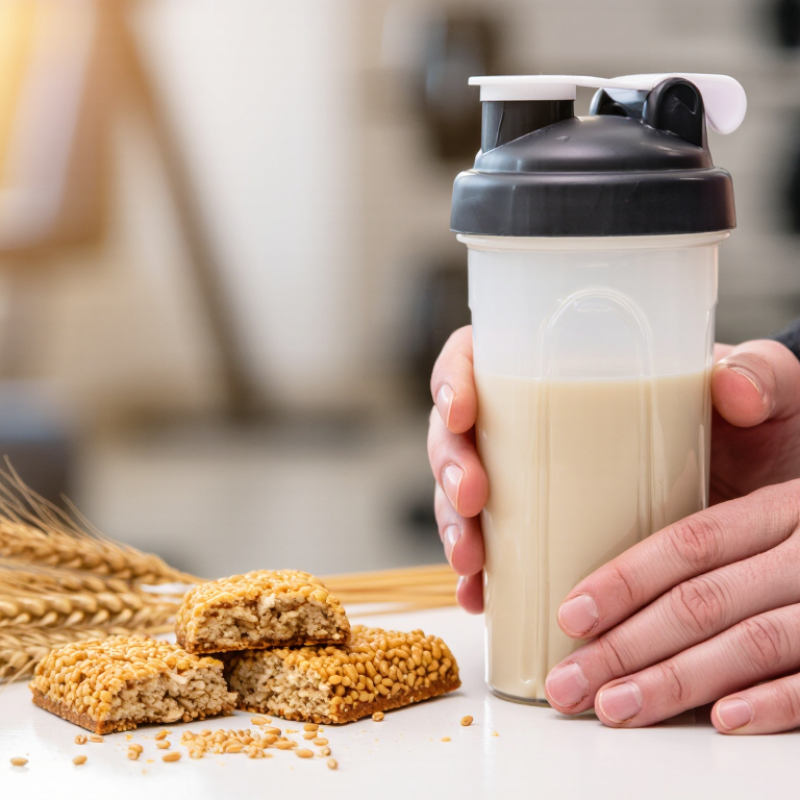
Hydrolyzed wheat protein comes from wheat flour, usually after starch is removed. The remaining protein contains gluten-forming proteins, mainly gliadin and glutenin. It is not the same as intact wheat flour. It has a lighter texture and can mix more easily in sports drinks, bars, and recovery formulas.
The process uses food-grade enzymes to cut long protein chains into smaller peptides. Manufacturers control temperature, acidity, enzyme type, and processing time. These conditions influence the peptide size, flavor, solubility, and digestibility of the final ingredient. Think of it as careful molecular trimming. The enzymes do not create new amino acids. They simply open selected peptide bonds.
In practical sports nutrition, smaller peptides may support faster mixing and easier digestion for some users. However, hydrolysis does not automatically make wheat protein nutritionally complete. Wheat protein is relatively low in lysine, so the overall formula matters more than one ingredient. This differs from some Hydrolyzed Rice Protein Benefits discussions, because rice protein also has its own amino acid limitations. The protein source should match the athlete’s dietary needs, training goals, and tolerance.
Gluten-sensitive individuals need particular caution. Hydrolysis may change texture and digestion, but it does not guarantee gluten removal. Product testing and accurate labeling remain essential. I would also question exaggerated claims about instant recovery. Evidence depends on the full diet, serving size, training load, and personal digestion. Hydration still matters. One ingredient rarely decides performance.
| Data Dimension | Fact-Based Description | Sports Nutrition Relevance |
|---|---|---|
| Primary source | Wheat proteins, mainly gluten proteins such as gliadin and glutenin, are extracted from wheat and processed into a protein-rich ingredient. | Provides a plant-derived protein option for protein powders, bars, beverages, and other sports nutrition formats. |
| Meaning of “hydrolyzed” | Hydrolyzed protein has been partially broken down into shorter peptide chains and, to a lesser extent, free amino acids. | Shorter peptides can improve dispersibility and may support faster gastric and intestinal processing compared with intact proteins. |
| Hydrolysis method | Food-grade proteolytic enzymes cleave peptide bonds under controlled conditions of temperature, pH, time, and enzyme concentration. | Process control helps determine peptide size, flavor, solubility, and the final texture of the formulation. |
| Process sequence | Typical steps include wheat protein isolation, hydration, enzymatic treatment, enzyme inactivation, filtration or concentration, drying, and quality testing. | The process can produce an ingredient suitable for dry mixes, ready-to-drink products, gels, and recovery formulas. |
| Peptide profile | The ingredient contains a mixture of peptides with different molecular sizes; the exact profile depends on the protein source and hydrolysis conditions. | A higher degree of hydrolysis generally produces smaller peptides, but it may also increase bitterness and affect mouthfeel. |
| Amino-acid characteristics | Wheat protein supplies essential amino acids but is relatively lower in lysine than many animal proteins and some other plant proteins. | Formulators may combine it with complementary proteins to improve the overall essential amino-acid balance. |
| Protein digestibility | Hydrolysis can make protein chains more accessible to digestive enzymes, although actual digestion depends on the complete food matrix and individual physiology. | May be useful in products designed for convenient post-exercise protein intake, without guaranteeing a specific absorption rate. |
| Solubility and dispersibility | Breaking proteins into smaller peptides can improve water dispersion, although pH, minerals, heat, and processing conditions also influence solubility. | Supports applications such as sports drinks, protein shakes, and instant powder blends. |
| Flavor considerations | Hydrolysis may release hydrophobic peptides that create bitterness or astringency, particularly at higher hydrolysis levels. | Flavor masking, sweetener selection, and blending with other ingredients may be needed for consumer acceptance. |
| Gluten and allergen status | Hydrolyzed wheat protein remains wheat-derived and should not automatically be considered gluten-free. Wheat is a major regulated allergen in many jurisdictions. | Labels and product positioning must clearly address wheat and gluten requirements applicable to the target market. |
| Common sports nutrition uses | Used as a protein component in shakes, recovery beverages, energy or protein bars, powdered drink mixes, and specialized nutrition products. | Can contribute protein content while supporting a plant-derived formulation strategy. |
| Key quality parameters | Important specifications include protein content, moisture, peptide distribution, solubility, microbiological quality, residual enzyme activity, heavy metals, and allergen controls. | Consistent specifications help ensure predictable performance, safety, taste, and batch-to-batch formulation quality. |
| Main formulation limitations | Potential limitations include wheat allergen considerations, gluten restrictions, bitterness, lower lysine content, and changes in texture at high inclusion levels. | Product developers should evaluate amino-acid balance, sensory quality, labeling compliance, and consumer dietary requirements. |
Note: Exact composition, peptide distribution, degree of hydrolysis, and performance vary according to the wheat protein source and manufacturing conditions.
It comes from wheat flour after much of the starch is removed. Enzymes cut its long protein chains into smaller peptides.
Food-grade enzymes open selected peptide bonds. They do not create new amino acids. Temperature, acidity, enzymes, and time affect the result.
They are major wheat protein fractions. Glutenin supports elasticity, while gliadin supports stretch. Hydrolysis breaks both into shorter chains.
No. It may change texture and digestion, but gluten-related peptides can remain. People with celiac disease or wheat allergy need caution.
Smaller peptides may mix more easily in drinks and bars. Some users may digest them more comfortably. Results vary.
Not necessarily. Wheat protein is relatively low in lysine, an essential amino acid. The full formula matters more than one ingredient.
No. Recovery depends on total protein, serving size, training, diet, and hydration. “Instant recovery” sounds too confident.
Review the amino acid profile, hydrolysis degree, allergen controls, and independent testing. Labels help, but chemistry is not always simple.
It can improve solubility and mouthfeel. It may also create a sharper taste or inconsistent amino acid profiles. Not perfect every time.
Hydrolyzed wheat protein is produced by breaking wheat proteins into smaller peptides through enzymatic hydrolysis, which may make the protein easier to digest and convenient for sports nutrition products. It typically contains fractions derived from glutenin and gliadin, along with various peptides. The potential Benefits Of Hydrolyzed Wheat Protein In Sports Nutrition include providing supplemental protein for recovery and helping athletes meet daily protein goals in a practical format.
However, wheat protein has a lower lysine content than many complete protein sources, so its amino acid profile should be considered within the context of an overall balanced diet. Sports nutrition guidance commonly places athletes’ daily protein needs around 1.4–2.0 g per kilogram of body weight, while approximately 20–40 g per serving may be useful depending on individual requirements. Consumers should carefully check labels for total protein, wheat ingredients, gluten, and allergen statements, especially if they have celiac disease, wheat allergy, or gluten sensitivity.