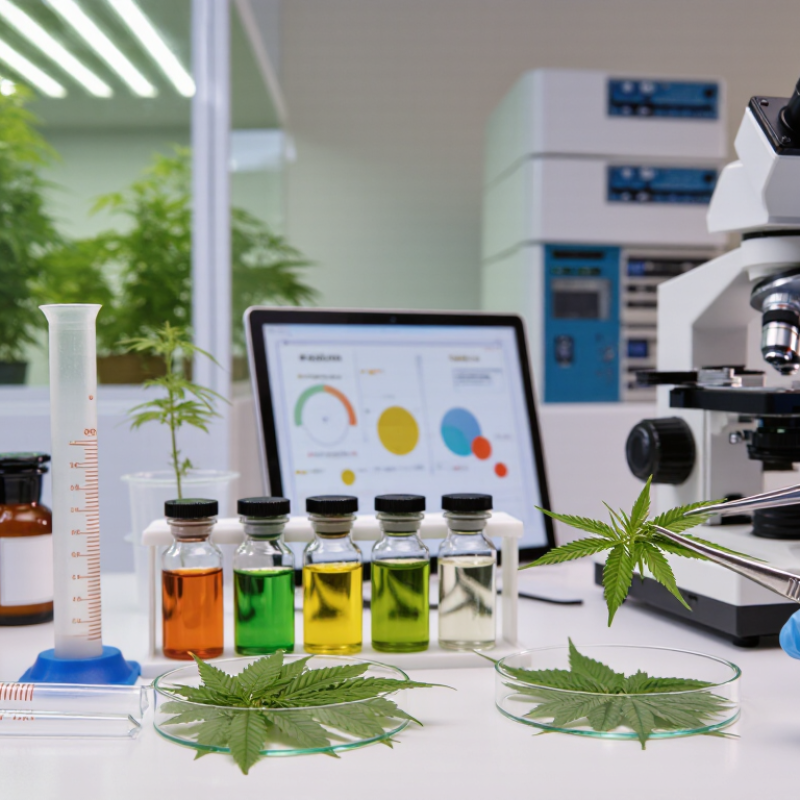
Herbal Extract quality control testing is what keeps things consistent, safe, and trustworthy across the botanical supply chain. It sounds technical, sure—but the point is pretty practical. A leaf’s identity can shift depending on species, soil, when it’s harvested, how it’s dried, and how it’s stored. And its chemical profile can shift right along with it. The WHO’s 2019 Global Report on Traditional and Complementary Medicine found that 170 of 194 Member States said they use traditional medicine. With that much use, you need dependable herbal extract verification. Good testing starts with documented raw-material controls. Analysts check botanical identity using macroscopic, microscopic, and chromatographic methods. Then they might measure marker compounds with validated HPLC or GC methods. Testing also looks at microbial contamination, heavy metals, pesticides, residual solvents, and undeclared pharmaceutical ingredients. The WHO’s Quality Control Methods for Herbal Materials is a widely used guide for identity, purity, and contamination. The United States Pharmacopeia also puts out monographs through its Herbal Medicines Compendium, which helps set standardized quality expectations. Manufacturers should tie lab results to supplier qualification, batch records, stability data, and corrective actions. Grand View Research’s Herbal Extracts Market Size, Share & Trends Analysis Report shows the sector keeps growing commercially—but market growth doesn’t prove product quality. That difference matters. No method is perfect, either. Sampling can miss uneven contamination, and marker compounds may not represent every active constituent. So responsible quality programs pull together validated methods, trained analysts, independent review, and transparent documentation. In practice, the strongest herbal extract program isn’t just a certificate. It’s a repeatable process that asks hard questions before a product ever reaches consumers.
Herbal extract quality control testing is the documented process used to verify an extract’s identity, strength, purity, and consistency. It checks whether the material matches its declared botanical source. This definition matters because herbs can vary with soil, climate, harvest time, and storage.
Testing commonly begins with botanical identification. Analysts may examine plant features, compare chemical fingerprints, or use validated laboratory methods. Moisture, ash, marker compounds, and extract concentration can reveal important differences between batches.
Contaminant screening may include heavy metals, pesticides, microorganisms, and unwanted solvents. Small details matter. A damaged container or unusual odor can justify further investigation.
Reliable quality control also depends on representative sampling and complete records. Laboratories should document sample collection, test conditions, instrument calibration, and acceptance criteria. Experienced analysts review unexpected results instead of quietly repeating tests. No method is perfect. Even a clear chemical profile may not explain every change in biological activity. That limitation deserves attention, not concealment.
Results should therefore be interpreted with validated procedures, qualified personnel, and traceable documentation. A batch may look consistent on paper, yet weak sampling can create false confidence. Regular review of methods helps detect that problem.
Herbal extract quality control testing examines whether an extract matches its declared identity, strength, and safety requirements.
The process begins with botanical authentication, using macroscopic checks, microscopy, and validated chemical fingerprints. A Raw Herbal Extract can look consistent while containing the wrong species or diluted material. That is why trained analysts compare reference markers, supplier records, and batch samples.
Experience matters here.
Potency is another key attribute, but one marker does not represent the whole plant. Laboratories may quantify characteristic compounds and assess the extract’s ratio, color, odor, and physical form. Moisture and water activity help predict microbial growth and storage stability.
Testing also screens for bacteria, yeast, mold, pesticide residues, heavy metals, and unwanted processing solvents. Limits should follow applicable regulations and the product’s intended use. No test is perfect. Sampling errors can still hide variation inside a large lot.
Reliable quality control therefore links laboratory results with traceability. Each sample should carry a batch code, collection record, processing date, and storage history. Analysts should use documented methods, calibrated instruments, controls, and suitable reference standards.
Out-of-specification results require investigation, not quiet adjustment. Stability studies can reveal fading color, declining potency, or new sediment over time. I would also review test frequency rather than assume one report proves lasting quality.
That assumption is easy to make, and often weak.
Raw material authentication begins before extraction. Analysts verify the plant’s scientific name, plant part, harvest location, and collection date. Supplier documents help, but paperwork cannot replace laboratory evidence. Names can mislead.
A trained analyst examines the material’s color, odor, texture, and visible structure. Microscopy may reveal leaf hairs, fibers, vessels, or distinctive seed patterns. Thin-layer chromatography compares the sample’s chemical fingerprint with a qualified reference material. High-performance liquid chromatography can measure characteristic marker compounds. These tests create stronger evidence when used together.
DNA testing can support identification, especially when the material is powdered. However, processing may degrade genetic signals, and DNA may not confirm extract strength. This limitation deserves attention. Botanical authentication also requires checking for substitution, adulteration, excessive moisture, and unexpected plant parts. In practice, an experienced laboratory reviews the complete evidence rather than trusting one impressive result. A chromatographic match may still hide poor harvesting or storage conditions. Samples should be sealed, labeled, and traceable from receipt through testing. Retained specimens allow later comparison if results appear unusual. Some procedures remain imperfect, particularly when closely related species share similar chemistry. That uncertainty should be recorded, not quietly ignored. Reliable quality control depends on validated methods, competent analysts, reference materials, and clear acceptance criteria.
The Herbal Extract needs more than a botanical name and a pleasant color. Chemical quality control begins with identity testing, then measures potency and composition. Analysts may use HPLC, GC-MS, or LC-MS to create a chemical fingerprint. This profile helps confirm marker compounds and detect unexpected materials.
Numbers matter. A 2019 WHO global report recorded traditional medicine use in 170 of 194 Member States. That scale makes consistent testing essential. The same plant can vary with soil, harvest time, drying temperature, and storage humidity. For example, a pale powder may contain less of its target compounds, while heat can quietly change its chemical profile. USP standards and AOAC methods guide laboratories toward validated procedures, including accuracy, precision, specificity, and detection limits.
Potency is not the whole story. A batch may meet one marker specification but still show an unbalanced composition. Good testing compares several compounds, checks residual solvents, and examines heavy-metal risks where relevant. Industry adulteration reviews from the Botanical Adulterants Prevention Program repeatedly show why identity confirmation deserves careful attention. Testing can reduce uncertainty, not erase it. Reference standards may differ between laboratories, and some botanical constituents remain poorly characterized. That limitation should be reported plainly. A reliable certificate of analysis should show the method, sample result, acceptance range, and laboratory date—not only a pass statement.
| Testing Dimension | Purpose | Common Analytical Approach | Typical Reported Result | Quality-Control Considerations |
|---|---|---|---|---|
| Identity | Confirms that the material is the declared botanical species and plant part. | Macroscopic and microscopic examination; chromatographic fingerprinting by HPTLC or HPLC; DNA-based testing when appropriate. | Pass or fail against an authenticated reference profile or botanical specification. | Identity testing should be selected according to the plant, processing method, and risk of substitution or adulteration. |
| Marker Compound Assay | Measures one or more characteristic compounds used to standardize the extract. | HPLC, UHPLC, or GC with a validated calibration procedure and suitable reference standards. | Percentage of a marker compound, such as % w/w or mg/g. | A marker compound may indicate consistency but does not necessarily represent the complete biological activity of the extract. |
| Active Constituent Potency | Determines the concentration of constituents linked to the intended chemical or pharmacological profile. | Validated HPLC-UV, HPLC-DAD, LC-MS, or other fit-for-purpose quantitative methods. | mg/g, mg per serving, or a defined percentage of total active constituents. | Acceptance limits should be established from a validated specification, product formulation, stability data, and applicable monographs. |
| Chemical Fingerprint | Compares the overall chromatographic pattern to a qualified reference extract. | HPTLC, HPLC, UHPLC, GC, or LC-MS fingerprint analysis. | Peak pattern, relative retention times, peak ratios, and similarity assessment. | Fingerprinting helps detect changes in raw material, extraction conditions, dilution, or substitution, but it may not replace quantitative assay testing. |
| Extract Ratio and Solvent Residue | Assesses the relationship between starting botanical material and finished extract and checks for residual processing solvents. | Document review for native extract ratio; headspace GC for residual solvents when relevant. | Native extract ratio, solvent identity, and concentration in ppm or mg/kg. | Interpretation should consider the extraction solvent, manufacturing process, and applicable residual-solvent requirements. |
| Moisture and Volatile Matter | Evaluates water or volatile content that can affect stability, concentration, and microbial risk. | Loss on drying, Karl Fischer titration, or another validated moisture method. | Percentage by mass, such as % w/w. | The method should be appropriate for extracts containing volatile constituents, hygroscopic materials, or thermally sensitive compounds. |
| Elemental Impurities | Detects potentially harmful metals and supports control of contamination from soil, equipment, or processing aids. | ICP-MS or ICP-OES following suitable sample preparation. | mg/kg or parts per million for elements such as lead, cadmium, arsenic, and mercury. | Limits depend on the intended daily intake, route of administration, and applicable regulatory or pharmacopeial requirements. |
| Pesticide Residues | Checks for residues that may remain from cultivation, harvesting, or storage. | GC-MS/MS and LC-MS/MS multi-residue methods. | Individual pesticide concentration, commonly reported in mg/kg or ppm. | The analyte list and reporting limits should reflect the crop, geographic origin, agricultural practices, and relevant legal requirements. |
| Mycotoxins | Assesses toxic fungal metabolites that may occur when botanical materials are improperly grown or stored. | HPLC with fluorescence detection or LC-MS/MS. | Micrograms per kilogram, often reported as µg/kg or ppb. | Testing may include aflatoxins and other mycotoxins based on the botanical risk profile and applicable requirements. |
| Adulterant and Synthetic Marker Screening | Identifies undeclared pharmaceutical compounds, synthetic analogues, dyes, or low-cost substitutes. | LC-MS/MS, GC-MS, HPTLC, NMR, or targeted spectroscopic screening. | Not detected above the validated detection or quantification limit. | Targeted analyte panels should be determined through a documented risk assessment rather than relying on a single universal screen. |
| Batch-to-Batch Consistency | Confirms that successive extract batches have comparable identity, composition, and potency. | Statistical comparison of chromatographic fingerprints, marker assays, and other critical quality attributes. | Results compared with approved specification ranges and reference-batch profiles. | Consistency depends on controlled botanical sourcing, extraction parameters, validated methods, and representative sampling. |
| Method Validation | Demonstrates that the chemical test is suitable for its intended purpose. | Evaluation of specificity, accuracy, precision, linearity, range, detection limit, quantification limit, robustness, and solution stability as applicable. | Validation report with predefined performance criteria. | Method validation requirements vary according to whether the method is qualitative, quantitative, compendial, or developed in-house. |
| Stability and Potency Retention | Determines whether the extract maintains its composition and potency throughout its shelf life. | Assay and fingerprint testing under long-term, accelerated, or in-use stability conditions. | Potency percentage, degradation profile, and changes in key chromatographic peaks over time. | Stability protocols should evaluate packaging, storage conditions, moisture sensitivity, light exposure, and relevant degradation products. |
Note: Acceptance criteria are product- and method-specific. Final specifications should be established using qualified reference materials, validated analytical methods, applicable pharmacopeial monographs, and relevant regulatory requirements.
Herbal extract quality control begins before laboratory testing. It starts with a defined botanical, traceable harvesting, and representative sampling. For Herbal Loquat Extract, identity testing may combine microscopy, chromatographic fingerprints, and DNA methods. A single visual check is not enough. An analysis of FDA warning records found 776 adulterated dietary supplement products between 2007 and 2016 (JAMA Network Open, 2018). That figure should sharpen sampling plans, not create panic.
Safety testing targets both contamination and undisclosed substitution. Microbial limits should follow validated procedures, including USP General Chapters 61 and 62. ICP-MS can measure toxic elements, while LC-MS/MS or GC-MS can screen pesticide residues. Aflatoxin testing also deserves attention when drying or storage conditions are humid. WHO guidelines for herbal medicines identify microbial hazards, pesticides, toxic metals, and aflatoxins as key quality concerns. Yet no method is perfect. Matrix effects, poor storage, or an unrepresentative sample can weaken reliable conclusions. Experienced analysts must challenge their own results.
Tips: Request batch-specific certificates, then verify critical results independently. Check laboratory accreditation, method validation, detection limits, and chain-of-custody records. Retain sealed samples for possible retesting. Do not accept “pass” without numerical limits. Small omissions become expensive lessons.
Safety testing screens herbal extracts for contaminants and adulterants before release.
Data source: United States Pharmacopeia, General Chapter , Elemental Contaminants in Dietary Supplements. Limits are expressed as micrograms per day and may not apply universally to every product or jurisdiction.
Herbal extract quality control testing checks whether a material is safe, consistent, and suitable for its intended use. Microbiological evaluation commonly measures total aerobic microorganisms, yeast, and mold. Targeted testing may also screen for specified harmful organisms. The exact panel depends on the extract, processing method, and final application.
Sampling matters greatly. A laboratory analyst should collect portions from different areas of a batch, not only from the surface. Samples are tested with validated methods under controlled conditions. Results need clear records, including sample identity, test date, analyst, and equipment status. A low microbial count is useful evidence. It is not proof of perfect quality.
Physical evaluation examines moisture, water activity, color, odor, appearance, particle size, and foreign matter. Excess moisture can encourage microbial growth during storage. Unusual color or odor may indicate oxidation, contamination, or processing variation. These signs deserve investigation. They should not be dismissed as harmless differences.
Practical experience shows that testing can miss problems when sampling is too small or poorly mixed. That weakness requires reflection. Retesting may help, but it should not replace a documented investigation. Reliable control also compares results with approved specifications and historical batch data. Clean facilities, suitable packaging, and stable storage conditions support the laboratory findings.
Herbal extract quality control begins with identity, not appearance. A Natural Herbal Extract may look bright and uniform while containing the wrong plant material. The WHO Global Report on Traditional and Complementary Medicine (2019) states that 170 of 194 member states reported using traditional medicine. That scale makes reliable testing essential. Identity should combine macroscopic review, microscopy, chromatographic fingerprinting, and botanical authentication. DNA testing can help, but it may not confirm active compounds after processing.
Documentation must connect every result to one batch. Keep supplier qualification records, sampling plans, test methods, equipment logs, analyst approvals, and raw data. Useful specifications include marker-compound ranges, moisture, microbial limits, heavy metals, pesticide residues, and solvent residues. Methods should be verified for accuracy, precision, specificity, and detection limits. USP guidance for botanical materials emphasizes identity, purity, strength, and composition. Still, no test is perfect. A clean chromatogram can hide poor harvesting or uneven mixing.
Tips: Define release criteria before testing begins. Use representative samples from the top, middle, and bottom of a container. Review deviations instead of quietly excluding them. Compare results with historical batch trends. A batch should be released only when all critical specifications pass, documentation is complete, and an authorized quality professional approves the decision. Our checklist can fail, too. Periodic audits and independent laboratory testing expose weaknesses before they become routine.
Plant-Powered Wellness: A Guide to High Quality Rice Protein Powder for Vegan Nutrition
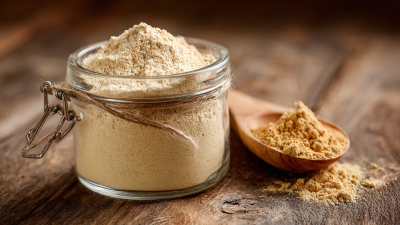
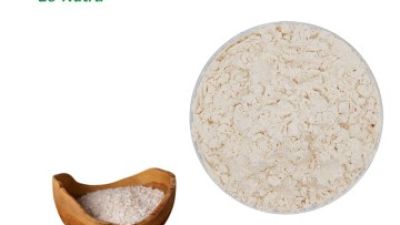
High-quality rice protein powder offers a practical way to add plant-based nutrition to a vegan lifestyle. Sourced from non-GMO brown rice, this fine powder has a light yellow to off-white appearance and typically contains 70%–90% protein, depending on the extraction process. Its protein content supports muscle growth and recovery, making it suitable for active individuals, athletes, and anyone seeking a convenient alternative to animal-based protein. With plant-based ingredients and unsaturated fat, it fits naturally into balanced wellness routines.
Rice protein powder can be blended into nutritional smoothies, protein beverages, and functional foods, or incorporated into protein bars and health care supplements. Its mild texture makes it easy to combine with fruits, vegetables, grains, and other ingredients. For commercial use, it is commonly supplied in 20 kg kraft bags, with customized packaging available. To help preserve quality, keep the product sealed in a cool, dry place away from direct sunlight, high temperatures, and humidity. Under suitable storage conditions, its shelf life is usually 24 months, with stable quality maintained over time.
Verify its scientific name, plant part, harvest location, and collection date. Supplier paperwork is useful, but laboratory evidence matters more.
They may combine microscopy, chemical fingerprinting, and DNA testing. Powder can hide leaf hairs, fibers, or other visible features.
Processing may damage genetic signals. DNA can support identity, but it may not confirm extract strength or chemical composition.
Chromatographic methods can identify marker compounds and reveal unexpected materials. Several compounds should be reviewed, not just one number.
Soil, harvest timing, drying heat, and storage humidity can change composition. A pale powder may contain fewer target compounds.
It should show the test method, sample result, acceptance range, laboratory date, and batch details. A simple “pass” statement is not enough.
Samples should be sealed, labeled, and traceable from receipt through testing. Keep sampling plans, equipment logs, raw data, and analyst approvals.
Release it only after all critical specifications pass, records are complete, and an authorized quality professional approves it. Review deviations.
No. A clean chromatogram can still hide poor harvesting, uneven mixing, or weak reference materials. Testing reduces uncertainty, not all uncertainty.
Herbal Extract Quality Control Testing is a structured process used to confirm that botanical extracts are authentic, consistent, safe, and suitable for their intended use. It begins with identifying and authenticating raw materials through botanical examination, supplier records, and appropriate analytical methods. Key quality attributes may include identity, appearance, moisture content, marker compounds, extract strength, and overall chemical composition. Chemical testing helps verify potency and detect unexpected variation between materials or production batches.
A complete quality program also evaluates potential contaminants and adulterants, including heavy metals, pesticide residues, solvents, and other unwanted substances, while microbiological testing checks for harmful microorganisms and excessive microbial levels. Physical assessments, such as particle size, flow, color, and stability, further support product consistency. Clear specifications, validated procedures, complete documentation, and traceable records are essential for reliable decisions. Batch release should occur only when all results meet predefined acceptance criteria, ensuring that each herbal extract consistently satisfies established quality and safety expectations.