Leave Your Message
0%

China’s beverage market keeps growing, and it’s bringing up a pretty practical question: can protein peptides stay clear, stable, and actually taste good to drink? The solubility of protein peptides in beverage formulations isn’t just about how good the raw material is. Things like pH, temperature, minerals, processing pressure, and storage time can all mess with performance. You might fill a clear bottle and see haze show up within days. Sediment? That can pop up later too.

Professor Stuart Phillips, who studies protein metabolism at McMaster University, has put it simply: “Protein is important for everyone, not just athletes.” That view makes sense for wider uses—sports nutrition, clinical nutrition, and the Functional Food And Beverage space. Protein peptides can offer helpful dispersibility, but they still need careful formulation work. Smaller molecules don’t automatically mean great solubility. That’s an assumption that can flop.

Ingredient makers based in China with real experience usually check solubility through controlled tests. They might compare samples at different pH levels, heating conditions, and calcium concentrations. Visual clarity matters. Mouthfeel matters too. A formula can stay suspended and still taste chalky. And lab results don’t always match factory-scale production. That gap? It deserves more attention.

For reliable sourcing, you need documented specs, batch consistency, microbiological control, and realistic beverage trials. Companies like DSM-Firmenich and other established nutrition suppliers show why technical documentation matters. Still, no single supplier fits every beverage idea. It really depends on the peptide source and the finished product system.

The strongest way to develop this stuff is to combine supplier data with independent validation. It also means accepting some uncertainty. More shared testing methods would make it easier to compare across China’s protein peptide market. Good solubility isn’t just a slogan. It’s a measured, repeatable result.
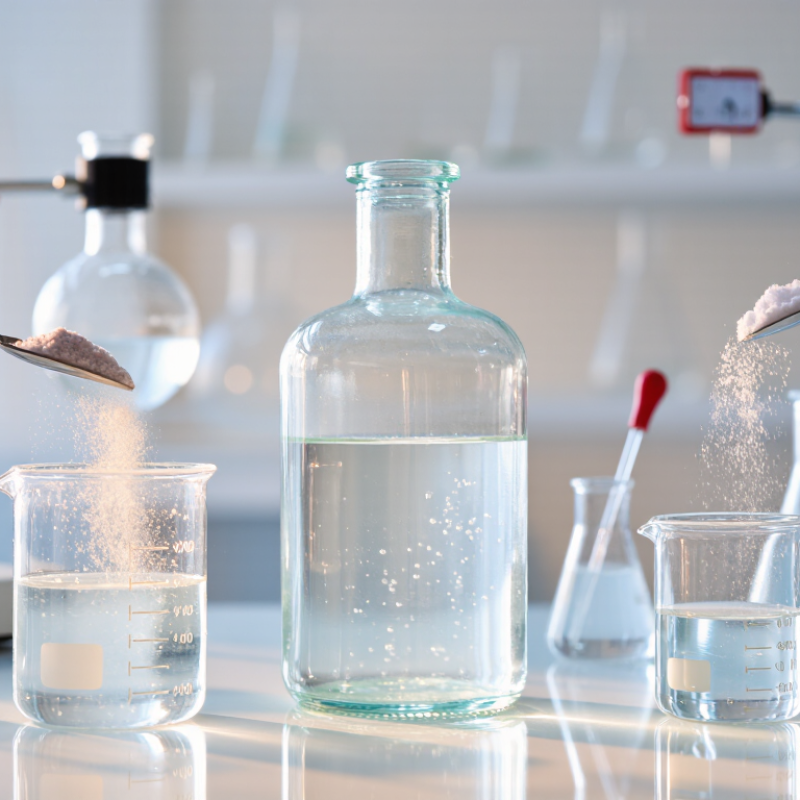
China Top Protein Peptide Solubility in Beverage Formulations

Protein Peptide Solubility: Definition and Role in Beverage Formulation

Protein peptide solubility describes how completely and evenly peptides dissolve in a beverage under defined conditions. These conditions include pH, temperature, ionic strength, dosage, and mixing time. A soluble peptide should leave no sediment, floating particles, or visible haze.

This property strongly influences beverage texture, appearance, and protein delivery. Smaller peptides often dissolve faster after hydrolysis. However, hydrophobic peptide sequences may still create foam or turbidity. Calcium, minerals, sugar, and acidic fruit bases can change performance. In China, formulation teams commonly screen samples between pH 3.2 and 4.0, especially for juice-style drinks. A clear sample is not proof of stability. It may cloud after refrigeration.

The FAO/WHO/UNU expert report uses 0.83 grams of protein per kilogram of adult body weight daily as a reference intake. This supports demand for convenient protein formats, but solubility determines whether consumers receive a consistent serving. The 2024 Innova Market Insights protein trends review also identifies protein claims as an active area in food and beverage innovation. Practical testing should include 4°C storage, shaking, heat exposure, and 24-hour observation. Methods used in Cosmetic Formulations can help assess dispersion, but beverage matrices behave differently. That distinction is easy to overlook. Good laboratory data should include pH, peptide molecular-weight distribution, viscosity, and sediment percentage, not only visual clarity.

Key Factors Affecting Peptide Solubility in Beverages

China Top Protein Peptide Solubility in Beverage Formulations

Protein peptide solubility strongly influences beverage clarity, texture, and shelf stability. Key factors include pH, temperature, ionic strength, and peptide molecular size. Many peptides dissolve well in mildly acidic water, but performance can change near their isoelectric point. This may create haze, sediment, or an unpleasant mouthfeel. High mineral content can also reduce solubility through ionic interactions. The formula needs testing, not assumptions.

Processing conditions matter. Adding peptides too quickly can form floating clusters, even when the final concentration seems acceptable. Gentle mixing, controlled water temperature, and gradual powder addition usually improve dispersion. Heat may accelerate dissolution, yet prolonged heating can affect peptide quality.

I have seen clear samples become cloudy after several days at room temperature. That result is easy to miss during a short laboratory trial. Shelf-life testing should include refrigeration, room temperature, and elevated temperatures.

Tips: Check solubility at the beverage’s actual pH. Test the intended dosage, not only a diluted sample. Measure clarity after mixing and after storage. Keep minerals, sweeteners, acids, and flavors in the trial formula. A small pilot batch can reveal unexpected precipitation. Do not rely on appearance alone. Taste matters too. Some clear beverages still show bitterness, dryness, or excessive foam. When results are inconsistent, review mixing order and water quality before changing the peptide itself.

Protein Peptide Sources and Functional Characteristics

Protein peptides used in beverage formulations come from several practical sources. Marine collagen peptides usually dissolve quickly because hydrolysis reduces their molecular size. Bovine and porcine collagen offer different amino acid profiles and sensory characteristics. Plant peptides from pea, rice, or soy may suit vegetarian products, but their dispersibility can vary. Each source matters.

Solubility depends on peptide size, electrical charge, pH, temperature, and mineral content. In an acidic fruit drink, a peptide may remain clear at first. Storage can change that result. Small tests matter. A clear glass on day one proves little. I would check samples at refrigerated and room temperatures, then inspect sediment, foam, odor, and mouthfeel. Some peptides dissolve well but leave bitterness or a dry finish.

Functional performance also guides source selection. Collagen peptides are commonly chosen for protein enrichment and smooth beverage textures. Plant peptides can provide useful amino acid diversity, while certain fractions may support emulsification or antioxidant activity. Evidence differs between raw materials and processing conditions. Lessons from Herbal Cosmetic Formulations also apply: botanical extracts may shift pH, color, and peptide stability. A formula that looks elegant in the laboratory may behave poorly after transportation. That possibility deserves honest testing.

Methods for Testing Solubility in Beverage Systems

Protein peptide solubility must be tested inside the beverage system, not only in purified water. Sugar, minerals, acids, and flavors can change dispersion behavior. A practical protocol begins with a defined peptide concentration and controlled water quality. Record pH, temperature, mixing speed, and hydration time. Small details matter.

Prepare samples at realistic beverage conditions, such as 4°C, 25°C, and 40°C. Use gentle stirring before testing. Measure turbidity with a calibrated meter, then inspect sediment after 30 minutes, 2 hours, and 24 hours. Centrifugation can reveal hidden particles, but excessive force may create misleading results. Check soluble protein with a validated assay or chromatography method. Keep a blank beverage control.

Visual inspection still helps. A cloudy sample, thin film, or gritty layer may indicate incomplete hydration or peptide interaction. Taste testing should follow approved internal procedures, with trained evaluators and controlled serving conditions. Lessons from Cosmetic Chemistry Formulations can support disciplined testing of pH, electrolytes, and temperature stress. Yet beverage matrices behave differently. My early trials sometimes used overly short hydration times, producing results that looked better than reality. Repeating the test with realistic storage intervals exposed that weakness. Record unexpected changes instead of hiding them.

China Top Protein Peptide Solubility in Beverage Formulations

Methods for Testing Solubility in Beverage Systems

The chart presents an example standardized screening profile for a non-branded protein peptide hydrolysate. Solubility is evaluated after 30 minutes of gentle mixing at 25°C and reported as the percentage of peptide remaining visibly dissolved. Beverage pH, mineral content, temperature, mixing energy, and holding time should be controlled during comparative testing.

Formulation Strategies for Improving Peptide Dispersion

China Top Protein Peptide Solubility in Beverage Formulations
Formulation Strategies for Improving Peptide Dispersion

Protein peptides can disperse unevenly in beverage systems, especially at high concentrations. Their solubility depends on pH, ionic strength, temperature, and peptide structure. Practical formulation work shows that small pH changes can reduce sediment or create visible haze. Not every peptide behaves politely. Test it early.

Begin with a measured hydration step. Add the peptide slowly into cool water under moderate agitation. Avoid dumping powder into one spot, where surface gel layers may form. A pre-blend with soluble carriers can improve wetting and reduce floating particles. Keep shear controlled, because excessive mixing may introduce foam and complicate visual inspection. For acidic beverages, confirm stability after processing, not only immediately after blending.

Tips: Screen several pH levels around the target beverage range. Check dispersion after 24 and 72 hours. Measure turbidity, sediment height, viscosity, and flavor changes. Use pilot batches before commercial scale-up. A clear sample at ten minutes proves very little. This applies to beverage, Cosmetic And Toiletry Formulations, and other protein-based systems, although each matrix needs separate validation. Temperature cycling can reveal weak dispersion more quickly, but it may not represent normal storage perfectly. That limitation deserves attention.

Stability, Taste, and Compatibility Considerations

China Top Protein Peptide Solubility in Beverage Formulations

Stability, Taste, and Compatibility Considerations

In pilot beverage trials, highly soluble protein peptides performed best when pH, temperature, and mineral levels were controlled. A clear solution can still develop sediment later. We test 500-milliliter samples at refrigerated, room, and accelerated temperatures. Observation points include day one, day seven, and day thirty. Turbidity, viscosity, odor, and sediment should be recorded with consistent methods. Small changes in calcium or magnesium may reduce clarity.

Taste deserves equal attention. Some peptides dissolve quickly but leave bitterness or a dry aftertaste. Lower dosage can help, but it may weaken the nutritional target. We often compare different sweetener systems and natural flavor profiles in blind evaluations. A cold sample may hide bitterness temporarily. Warm tasting can reveal problems. This detail is easy to miss.

Compatibility testing should include acids, vitamins, electrolytes, emulsifiers, and preservatives permitted for the intended market. One early formulation looked stable in water, yet formed fine particles after adding citrus acid. That mistake was useful, but avoidable. Supplier specifications should include solubility conditions, peptide profile, moisture, microbiological limits, and lot consistency. Results must be verified through laboratory testing, not appearance alone. Some formulations need more refinement.

Quality Control Standards for Soluble Peptide Beverages

Quality Control Standards for Soluble Peptide Beverages

For Chinese peptide beverage producers, solubility should be a release specification, not a marketing promise. Test each batch at 25°C and 4°C, then record dissolution time, turbidity, sediment, pH, and viscosity. A practical internal limit may require complete dispersion within 60 seconds, with no visible sediment after 24 hours. These values need product-specific validation. They are not universal legal limits.

25°C  |  4°C
60 seconds
24 hours

Protein quality also requires more than clear appearance. The FAO report Dietary Protein Quality Evaluation in Human Nutrition (2013) recommends assessing amino acid composition and digestibility through DIAAS. The WHO, FAO, and UNU report (2007) lists 0.83 grams of protein per kilogram of body weight daily for healthy adults. This figure supports nutritional assessment, but it does not prove beverage stability. A transparent drink can still contain oxidized peptides or inconsistent protein content.

Microbiological
control

Microbiological control should follow documented, validated procedures. ISO 22000:2018 supports hazard-based food safety management, while ISO 4833-1 and ISO 21528-2 provide methods for aerobic counts and Enterobacteriaceae testing. China’s GB 4789 series should guide applicable testing and verification. Control moisture, heat exposure, and oxygen during filling. Packaging headspace matters. We should also admit one weakness: accelerated stability tests may not fully predict sedimentation during household storage. Regular real-time checks remain necessary.

FAQS

Why does peptide solubility matter in beverages?

Solubility affects clarity, texture, taste, and storage stability. Poor dispersion may create haze, sediment, or a gritty mouthfeel. Appearance alone can mislead.

How does pH influence peptide solubility?

Many peptides dissolve well in mildly acidic water. Solubility may decrease near the peptide’s isoelectric point. This can produce cloudiness or sediment.

Can minerals reduce peptide solubility?

Yes. High mineral levels may create ionic interactions with peptides. Keep minerals, acids, sweeteners, and flavors in realistic trials. Do not test purified water alone.

What mixing method improves peptide dispersion?

Add the powder gradually into controlled-temperature water. Use gentle mixing. Rapid addition can create floating clusters that remain after stirring.

Does heating always improve dissolution?

Heat may speed dissolution, but prolonged heating can affect peptide quality. Test several temperatures, including refrigerated and warm conditions. More heat is not automatically better.

Which temperatures should solubility testing include?

Test samples around 4°C, 25°C, and 40°C. These conditions can reveal changes during refrigeration, room storage, and temperature stress. Short trials are risky.

How should beverage solubility be measured?

Record peptide dosage, pH, temperature, mixing speed, and hydration time. Measure turbidity with a calibrated meter. Inspect sediment after 30 minutes, two hours, and 24 hours.

What sensory problems may remain after successful dissolution?

A clear beverage may still taste bitter or dry. Excessive foam can also affect acceptance. Taste testing needs trained evaluators and controlled serving conditions. Clear is not perfect.

Conclusion

Protein Peptide Solubility In Beverage Formulations refers to the ability of peptide ingredients to dissolve evenly and remain dispersed throughout a beverage without sedimentation, cloudiness, or unwanted texture. Solubility is influenced by peptide size, amino acid composition, pH, temperature, ionic strength, mineral content, processing conditions, and the presence of sugars, acids, or other functional ingredients. Different protein sources may provide distinct nutritional and functional characteristics, so their behavior should be evaluated in the intended beverage system.

Reliable testing can include visual observation, centrifugation, turbidity measurement, concentration analysis, and stability monitoring during storage. Formulators may improve dispersion through controlled pH adjustment, optimized mixing, gradual ingredient addition, hydration time, filtration, or carefully selected stabilizing systems. Beyond solubility, successful products must address taste, mouthfeel, oxidation, heat stability, and compatibility with other ingredients. Quality control should verify uniformity, microbial safety, physical stability, nutritional consistency, and performance throughout the product’s shelf life.
Sophie

Sophie

Sophie is a dedicated professional marketer with a profound expertise in the natural and innovative raw materials industry. As part of a forward-thinking company that specializes in the research, production, and marketing of high-quality nutraceuticals, foods, beverages, and cosmetics, she brings a......
Previous 2026 Best Supplement Formulation Development Guide
Next What Is Herbal Extract Quality Control Testing?