The Crucial Role of Hydrolyzed Wheat Protein in Modern Hair Care
In the highly competitive cosmetic formulation industry, the demand for natural, high-performance, and scientifically backed active ingredients has never been greater. Among these, Hydrolyzed Wheat Protein (HWP) stands out as a foundational active in hair care and skin care formulations. Often marketed as a plant-derived alternative to keratin or collagen, HWP offers deep moisturizing, structural reinforcement, and protective film-forming properties that restore and elevate hair vitality.
However, the efficacy of HWP in a finished shampoo, conditioner, or intensive hair mask depends heavily on its biochemical characteristics: molecular weight distribution, purity, raw material source, and the precision of the hydrolysis process. Sourcing from an unverified or inconsistent supplier can lead to product instability, loss of biological activity, contamination issues, or regulatory compliance failures. This comprehensive guide outlines the critical factors cosmetic brands must evaluate when choosing a reliable Hydrolyzed Wheat Protein supplier to secure their supply chain and ensure product excellence.
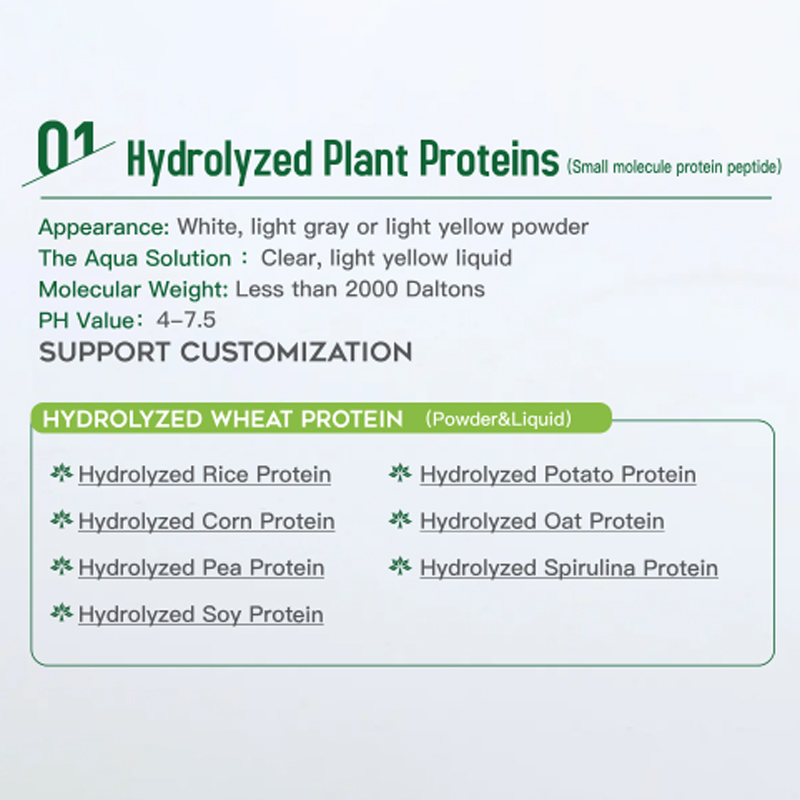
Formulator's Insight: Hydrolyzed Wheat Protein is not a single, generic ingredient. Its performance in cosmetic formulations is directly dictated by its average molecular weight, measured in Daltons (Da). While larger proteins form protective surface films, low molecular weight peptides are essential for deep structural penetration.
Key Performance Benefits of Premium Wheat Peptides
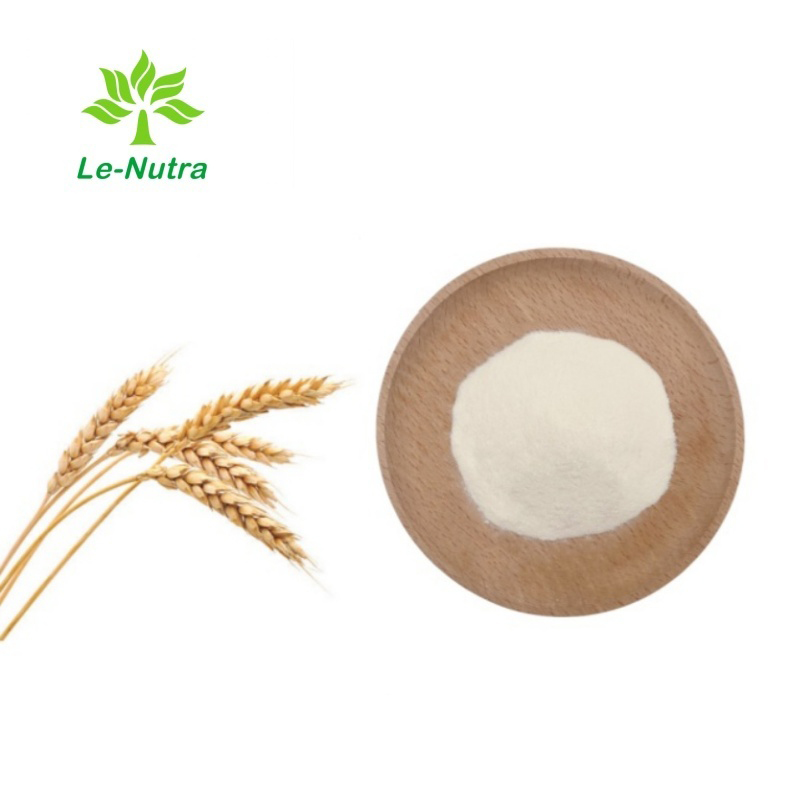
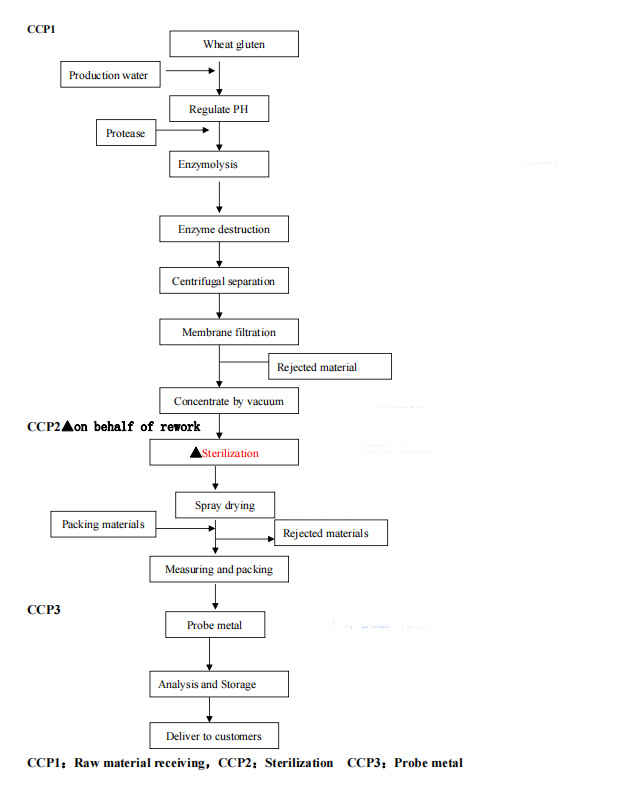
Hydrolyzed Wheat Protein Powder is processed via enzymatic or chemical hydrolysis, breaking down large, insoluble wheat gluten molecules into water-soluble peptides. This structural reduction unlocks several crucial mechanisms of action:
- Intra-Cortex Penetration: Peptides with a molecular weight below 2,000 Daltons (and ideally below 1,000 Daltons) are small enough to pass through the hair cuticle scales, entering the inner cortex to repair damaged polypeptide chains and rebuild disulfide bonds.
- Moisture Retention & Humectancy: Rich in hydrophilic amino acids like glutamic acid, HWP attracts water molecules, binding moisture within the hair shaft and preventing the dryness and brittleness caused by heat styling and chemical processing.
- Tensile Strength & Anti-Breakage: By filling structural gaps in the damaged keratin matrix, HWP increases the hair fiber's elasticity and overall tensile strength, drastically reducing split ends.
- Surface Modification & Shine: Larger protein fractions within the distribution form a micro-thin, cohesive film over the hair cuticle, smoothing out rough edges, neutralizing static charge, and enhancing light reflection for a brilliant, healthy luster.