1. Introduction & Market Procurement Risks
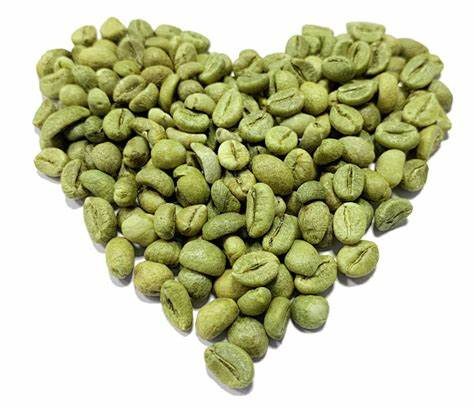
The global market for natural health ingredients has seen an unprecedented surge in demand for botanical extracts featuring high antioxidant capabilities and proven metabolic health benefits. Among these, Green Coffee Bean Extract Powder (derived primarily from unroasted beans of Coffea arabica or Coffea canephora/robusta) has emerged as a cornerstone raw material in weight management, sports nutrition, metabolic wellness, and functional food formulations. Rich in bioactive polyphenol compounds—most notably Chlorogenic Acid (CGA)—this potent botanical ingredient provides critical metabolic support by modulating glucose absorption, inhibiting lipid accumulation, and offering robust free radical scavenging capabilities.
However, navigating the global B2B supply chain for bulk botanical extracts presents significant procurement risks. Because raw unroasted coffee beans are subject to agricultural variance, batch-to-batch chemical composition fluctuated depending on origin, harvesting practices, and extraction protocols. Furthermore, the market faces challenges such as adulteration with synthetic phenolic compounds, non-compliant solvent residues, excessive caffeine content, micro-contamination, and heavy metal accumulation. For procurement managers, quality assurance specialists, and brand owners, conducting rigorous due diligence before finalizing a supplier agreement is not merely a precautionary measure—it is vital to protecting brand integrity, ensuring regulatory compliance, and guaranteeing consumer safety.
Adulteration Risks
Unscrupulous suppliers may spike low-grade extracts with synthetic chlorogenic acid or cheaper phenolic extracts. Specialized HPLC testing is required to verify natural botanical fingerprint profiles.
Regulatory Non-Compliance
Heavy metals, pesticides, and residual solvents exceeding regional maximum residue limits (MRLs) set by FDA, EFSA, or USP can trigger costly product recalls and legal liabilities.
Batch Instability
Inconsistent solvent ratios or unstandardized extraction techniques lead to variable active constituent assays, resulting in unstable final product efficacy across manufacturing runs.
2. Verify the Chlorogenic Acid Content Specification
The primary commercial value of Green Coffee Bean Extract is driven by its concentration of Chlorogenic Acids (CGA). Chlorogenic acid is not a single compound, but rather a family of quinic acid esters of hydroxycinnamic acids. The predominant active isomer present in raw coffee beans is 5-caffeoylquinic acid (5-CQA), alongside related isomers such as 3-CQA, 4-CQA, and dicaffeoylquinic acids (3,4-dicaffeoylquinic acid, 3,5-dicaffeoylquinic acid, and 4,5-dicaffeoylquinic acid).
When evaluating commercial bulk powders, common industry specifications range from 50% Total Chlorogenic Acid (CGA) to 45% 5-CQA standardizations. However, buyers must pay close attention to the analytical methodology used to establish these assays:
HPLC vs. UV-Vis Spectrophotometry
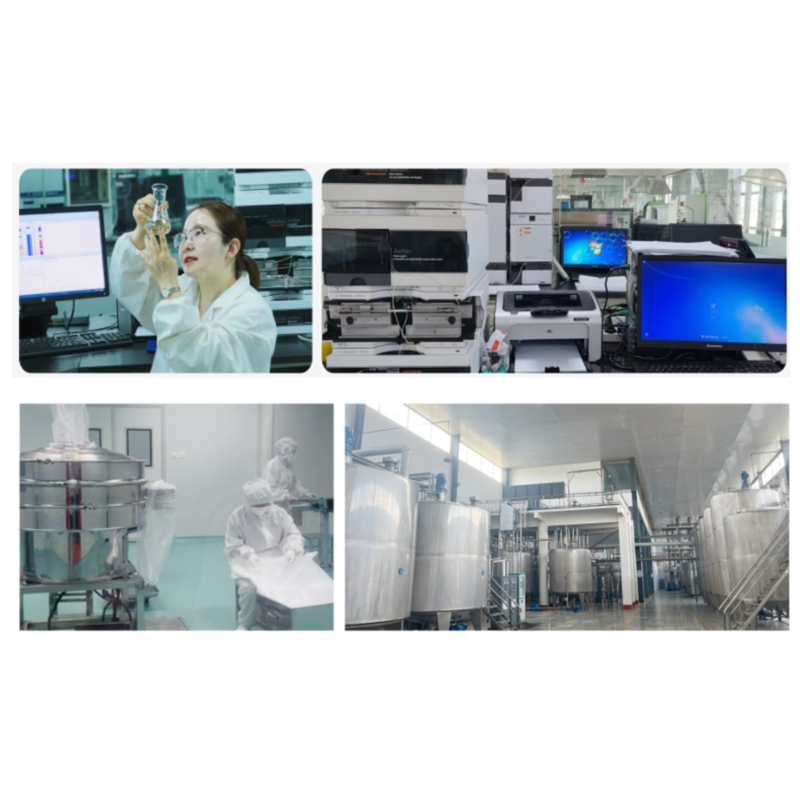
High-Performance Liquid Chromatography (HPLC) is the industry gold standard for quantifying chlorogenic acid. HPLC separates individual isomers, allowing lab technicians to isolate 5-CQA from total CGAs and detect extraneous interference.
Conversely, basic UV-Vis spectrophotometry measures total light absorption at specific wavelengths (e.g., 325 nm). UV testing is non-specific and easily fooled; dishonest suppliers can inflate UV assay readings by blending low-grade raw materials with unrefined plant polyphenols or synthetic phenolic acids. Always mandate HPLC verification based on USP, EP, or AOAC reference methods.
Batch COA Integrity & Chromatogram Traceability
A compliant Certificate of Analysis (COA) must not state nominal values. It must explicitly state the tested percentage of total CGAs alongside individual 5-CQA content for that specific manufacturing lot.
B2B purchasers should request full HPLC chromatograms during raw material qualification. A authentic chromatogram displays distinctive peak pattern profiles matching the reference standard, confirming both the natural botanical origin and the absence of synthetic peak anomalies.
3. Check Heavy Metals and Contaminant Levels
Because coffee trees absorb minerals and trace elements directly from the soil, bulk unroasted coffee beans are prone to accumulating toxic heavy metals, environmental pollutants, agrochemical residues, and fungal toxins. Stringent testing using Inductively Coupled Plasma Mass Spectrometry (ICP-MS) is required for every production batch to guarantee absolute safety and regulatory compliance across target markets (such as US FDA 21 CFR Part 111, California Proposition 65, and EU Regulation 1881/2006).
| Contaminant Parameter | Strict Target Limit | Analytical Method | Health & Regulatory Risk Significance |
|---|---|---|---|
| Total Heavy Metals | ≤ 10.0 ppm | ICP-MS / ICP-OES | General heavy metal toxicity and organ accumulation risk. |
| Lead (Pb) | ≤ 1.0 ppm (Prop 65: < 0.5 ppm) | ICP-MS (USP <233>) | Neurotoxicity, cardiovascular risk, strict compliance for US/EU entry. |
| Arsenic (As) | ≤ 1.0 ppm | ICP-MS (USP <233>) | Carcinogenic risk, regulated strictly under global dietary guidelines. |
| Cadmium (Cd) | ≤ 1.0 ppm | ICP-MS (USP <233>) | Renal toxicity and bone demineralization concerns. |
| Mercury (Hg) | ≤ 0.1 ppm | ICP-MS / Cold Vapor AA | Severe neurotoxicity, critical standard for marine & botanical safety. |
| Pesticide Residues | USP <561> / EC 396/2005 compliant | GC-MS/MS & LC-MS/MS | Organophosphates, organochlorines must fall below quantifiable limits. |
| Mycotoxins (Ochratoxin A) | < 5.0 ppb (Ochratoxin A) | HPLC-FLD / LC-MS/MS | Nephrotoxic mold byproduct frequently found in improperly stored green beans. |
| Residual Solvents | Ethanol ≤ 5000 ppm / Methanol ≤ 3000 ppm | Headspace GC-FID (USP <467>) | Ensures solvent extraction processes leave minimal toxic residues. |
In addition to heavy metals, B2B buyers must mandate screening for Ochratoxin A (OTA). Ochratoxin A is a dangerous mycotoxin produced by Aspergillus and Penicillium species during storage of raw coffee beans under high humidity. High-quality manufacturers execute dry storage controls and enzymatic detoxification steps to maintain OTA concentrations strictly below global limits.
4. Review the Caffeine Content & Decaffeinated Options
Caffeine is a naturally occurring methylxanthine alkaloid present in green coffee beans. While caffeine works synergistically with chlorogenic acid to boost thermogenesis and focus, its concentration must be tightly controlled depending on the target finished product formulation. Uncontrolled caffeine levels can lead to consumer complaints regarding jitteriness, insomnia, elevated heart rate, and gastrointestinal discomfort.
Standard Caffeine Grade (≤ 5.0%)
Standard bulk Green Coffee Bean Extract Powder typically contains between 2.0% and 5.0% caffeine. This specification is ideal for energy supplements, pre-workout formulas, and fat burners where stimulant activity is desirable. Buyers must ensure that the caffeine content is declared accurately on the COA so that finished product label claims (such as "total caffeine per serving") remain legally compliant.
Decaffeinated Green Coffee Bean Extract (≤ 2.0% or ≤ 0.5%)
For evening formulas, stress management supplements, cardiovascular health products, or caffeine-sensitive consumer demographics, buyers must specify Decaffeinated Green Coffee Bean Extract Powder (typically featuring caffeine levels ≤ 2.0%, ≤ 1.0%, or ultralow ≤ 0.5%).
Decaffeination requires advanced liquid extraction, supercritical CO2 extraction, or column chromatography to selectively remove caffeine while preserving the delicate ester bonds of the chlorogenic acid complex. Ensure your supplier does not use harsh halogenated solvents (like methylene chloride) during decaffeination.

5. Examine Microbiological Quality Standards
Botanical raw materials are naturally exposed to soil microbes, wild yeasts, and airborne molds during agriculture and primary post-harvest drying. Inadequate pasteurization or sub-standard hygienic conditions during spray drying can introduce microbial pathogens into the bulk powder. Pathogenic contamination can spoil finished dosage forms, shorten shelf life, and pose critical health hazards to end consumers.
B2B procurement teams must audit suppliers against international microbiological safety standards (such as USP <61> and <62> for dietary supplements). The baseline microbiological standards for premium Green Coffee Bean Extract Powder include:
Total Plate Count (TPC)
Measures total aerobic microbial load present in the extract.
Total Yeast & Mold
Prevents fungal spoilage and structural breakdown over storage.
E. Coli / Coliforms
Indicates sanitation control and absence of fecal contamination.
Salmonella & S. aureus
Zero tolerance requirement for pathogenic organisms.
Sterilization Methodology Note: Query your manufacturer regarding their sterilization methods. Top-tier manufacturers utilize clean steam sterilization or high-temperature short-time (HTST) thermal processes to eliminate pathogens without degrading temperature-sensitive chlorogenic acids. Avoid raw powders treated with Ethylene Oxide (ETO) or high-dose gamma irradiation if your product targets Clean Label or Organic-certified retail segments.
6. Verify Supplier Quality & Compliance Certifications
A manufacturer’s certification portfolio serves as direct evidence of their commitment to quality management systems, facility hygiene, and regulatory compliance. When sourcing bulk extracts internationally, documentation must be audited for authenticity, scope, and accreditation validity.
cGMP / NSF Registration
Current Good Manufacturing Practice (cGMP) compliance ensures production occurs in climate-controlled cleanrooms following validated SOPs, standard equipment sanitization, and full lot traceability under FDA 21 CFR Part 111/117.
ISO 22000 & HACCP
International Organization for Standardization (ISO 9001 / ISO 22000) and Hazard Analysis Critical Control Point (HACCP) certifications demonstrate rigorous risk control across extraction, evaporation, crystallization, and spray-drying stages.
Religious & Dietary Suitability
To access global consumer markets, ensure supplier holds authentic Kosher (e.g., OU, Star-K) and Halal (IFANCA, MUI) certifications, along with Non-GMO and Allergen-Free regulatory declarations.
7. Request Samples and Perform In-House Validation
Paper documentation and COAs are essential, but physical sample qualification remains mandatory before placing high-value bulk purchase orders. Request a pre-shipment sample (typically 100g to 500g) representing the exact lot designated for commercial delivery.
Physical & Chemical Sample Evaluation Protocol:
- Organoleptic Assessment: Standard Green Coffee Bean Extract Powder presents as a fine, uniform, light yellow-brown to yellow-brownish powder with a characteristic mild, slightly bitter coffee-like aroma. Check for off-odors, clump formation, or dark specks indicating thermal scorching.
- Solubility & Clarity Testing: Dissolve 1g of extract in 100ml of purified water at room temperature (25°C). Premium grade extract should dissolve completely and rapidly, forming a clear to slightly translucent solution free of insoluble residue—crucial for ready-to-mix (RTM) beverages and liquid drops.
- Bulk Density & Tap Density: Evaluate tap density (typically 0.40 - 0.65 g/ml) and mesh particle size (95% pass through 80 mesh). Consistent particle size ensures uniform flowability during high-speed encapsulation or direct-compression tableting.
- Moisture Content & Hygroscopicity: Verify Loss on Drying (LOD) is ≤ 5.0%. High residual moisture accelerates chlorogenic acid degradation and causes caking inside industrial hoppers.
- Third-Party Laboratory Cross-Validation: Send a portion of the sample to an accredited independent laboratory (e.g., Eurofins, SGS, Covance) to cross-verify the vendor’s internal HPLC CGA assay, caffeine content, and heavy metal results.
8. Clarify Commercial Terms: MOQ, Lead Time, and Packaging
Establishing commercial alignment early in supplier discussions prevents supply chain disruptions, unexpected freight costs, and manufacturing bottlenecks. Ensure the following logistics parameters are clearly defined in your procurement contract:
Minimum Order Quantities (MOQ)
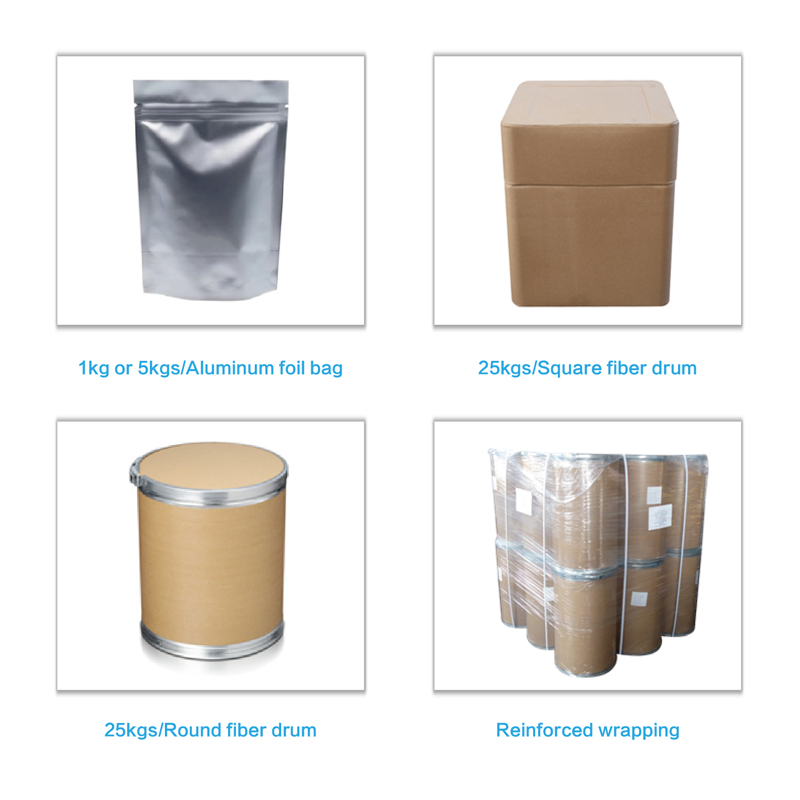
Standard commercial MOQs usually range from 25 kg (1 fiber drum) for trial runs up to 1,000 kg for custom synthesis or custom particle sizing (e.g., micronized 100 mesh). Clarify sample costs and tier-pricing schedules.
Packaging Engineering
Standard industrial export packaging requires 25 kg net weight double-layer food-grade polyethylene inner bags sealed inside heavy-duty fiber drums with tamper-evident seals. Vacuum-sealed aluminum foil inner bags are recommended for humid climates.
Lead Time & Shelf-Life
Standard lead time for stock items is 3-7 business days; custom production lots require 2-3 weeks. Ensure product has a guaranteed 24-month shelf life upon arrival, stored in cool, dark, dry conditions (<25°C, RH <60%).
9. Strategic Partner Selection & Manufacturing Excellence
Sourcing wholesale Green Coffee Bean Extract Powder requires a methodical balance between chemical verification, contaminant safety, sensory performance, and reliable logistics. By implementing a strict vendor qualification framework—demanding HPLC-verified Chlorogenic Acid contents, ultra-low heavy metal limits (≤10 ppm total), tight caffeine controls, and full cGMP traceability—procurement teams protect their brand reputation and guarantee superior product quality.
At Le-Nutra Ingredients, we bring industrial scale, deep technological expertise, and rigid quality standards to empower your bulk botanical procurement:
Decades of expertise in the natural ingredients industry, delivering trusted and innovative botanical solutions worldwide.
Equipped with advanced large-scale production facilities and diverse production lines to support high-demand projects.
6 multifunctional extraction lines equipped with versatile tanks for precise processing of high-purity raw materials.

Ready to Secure Premium Bulk Green Coffee Bean Extract?
Partner with a global certified leader. Request full technical dossiers, lot-specific HPLC COAs, free evaluation samples, and factory-direct wholesale pricing today.
Contact Our Technical Sales Team