Picking a reliable China-based Peptide Hydrolysate supplier isn’t just about comparing prices or looking at shiny catalog pics. It takes a bit more digging. You really want to evaluate things like how consistent their products are, whether they can trace their raw materials, how tight their processing controls are, and how well they communicate. It's a good idea to ask for a clear specs sheet, the latest certificate of analysis, microbiology tests, heavy metal limits, and allergen info. And don’t just accept generic documents—make sure they match the specific batch you’re interested in. Little details count too—stuff like a sealed sample, legible lot number, and a powder that stays a consistent color can tell you a lot about their process discipline. But honestly, appearances alone don’t prove quality. You’ll need lab tests and proper documentation to truly be sure.
A reputable supplier should happily walk you through how they make their hydrolysate—things like their hydrolysis method, the molecular weight range, the protein source, solubility details, and storage tips. They should also be ready to describe their quality management system and any certifications like ISO or GMP—especially if they’re relevant to the market you're aiming at. A trustworthy partner will answer your technical questions straightforwardly and won’t hide their limitations. Let’s be real, no supplier is perfect. If they’re slow to respond, vague about testing methods, or keep changing what they offer, that’s a red flag. It’s smart to compare several China-based manufacturers before you settle on someone. If possible, doing an on-site audit or an independent inspection will give you a lot more confidence than just relying on sales talk. Also, look into their production capacity, previous export experience, how they package to protect the product, and how they handle complaints. The cheapest option isn’t always the best—what really matters is finding a supplier who can deliver consistent quality, transparent records, and realistic delivery timelines. Taking the time to do your homework now will save you headaches down the road, protecting your product development, compliance, and your valuable customer relationships.
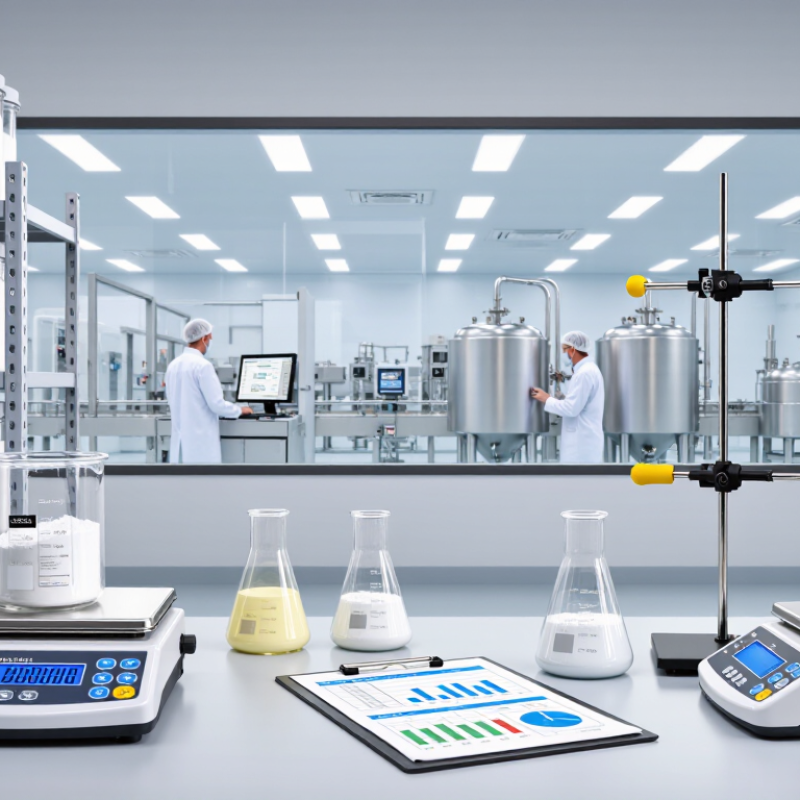
Peptide hydrolysate is protein broken into shorter peptide chains through controlled enzymatic hydrolysis. Smaller peptides may improve solubility, digestion, and formulation performance. The result is not automatically better. Enzyme type, hydrolysis time, temperature, and filtration shape the final peptide profile. A 2024 MarketsandMarkets report identifies sports nutrition, clinical nutrition, and food applications as major growth areas for protein hydrolysates. Demand is rising, but quality differences remain substantial.
Supplier choice matters because peptide performance begins with raw-material control. For Wheat Protein Hydrolysate, buyers should verify wheat origin, gluten status, allergen controls, and pesticide testing. Ask for peptide molecular-weight distribution, degree of hydrolysis, amino-acid data, microbiological limits, and heavy-metal results. A clear certificate of analysis should match the tested batch, not a generic template. I would also request three consecutive samples. One sample can hide process variation.
A capable China supplier should provide traceability from receiving records to sealed drums. Check documented HACCP or ISO 22000 systems, laboratory calibration, change-control procedures, and complaint handling. The FAOSTAT agricultural database recorded global wheat production above 780 million tonnes in 2022, yet abundant wheat does not guarantee consistent hydrolysate. MarketsandMarkets also reports expanding hydrolysate demand, but published estimates vary by scope and methodology. That variation deserves attention. A low quotation can look efficient. It may not be. Pilot testing should measure solubility, taste, odor, peptide distribution, and stability under the buyer’s actual formulation conditions.
Peptide hydrolysates serve several industries because their smaller protein chains can dissolve quickly and support easier formulation. Food and beverage manufacturers use them in protein drinks, nutrition bars, soups, and powdered mixes. Pea Protein Hydrolysate Powder may suit plant-based products requiring a lighter texture and faster dispersion. However, solubility can change after heating, so laboratory trials remain essential.
Sports nutrition companies use hydrolysates in recovery drinks and convenient sachets. Clinical nutrition manufacturers may select carefully tested ingredients for specialized dietary formulas. Cosmetic producers also use peptide hydrolysates in lotions, masks, and scalp products, mainly for conditioning and formulation support. The purpose depends on peptide size, amino acid profile, taste, odor, and documented safety data. A high protein percentage alone proves little.
Tips: Ask suppliers for batch specifications, microbiological results, heavy-metal testing, allergen statements, and traceability records. Request a sample before signing a large order. Check dispersibility in your actual formula, not only in water. A practical mistake is judging quality from appearance. Color and texture can vary naturally. I would also question vague claims about absorption or performance. Clear testing methods matter more than impressive wording. Supplier communication matters too, especially when your product needs stable batches and reliable delivery.
Peptide hydrolysates are used across nutrition, food, cosmetics, animal feed, and agricultural applications because their small peptides can support digestibility, solubility, palatability, bioactivity, and formulation performance.
The score represents relative technical relevance of peptide hydrolysate functions in each industry on a 1–5 scale. It is an application-fit comparison, not market share, sales volume, or company performance data.
A reliable Chinese peptide hydrolysate supplier should prove quality through systems, not attractive brochures. ISO’s 2023 Survey recorded more than 1.2 million ISO 9001 certificates worldwide. However, ISO 9001 controls management processes, not product safety alone. Food-grade suppliers should also follow HACCP principles and maintain ISO 22000 or an equivalent food-safety system. Codex Alimentarius identifies hazard analysis, critical limits, monitoring, and corrective action as essential controls.
Ask for batch-specific certificates of analysis, not generic templates. Each report should show peptide content, moisture, ash, amino-acid profile, microbiological limits, heavy metals, and allergen status. Testing should use validated methods, with laboratory accreditation such as ISO/IEC 17025. Reviewers should compare the reported values with independent laboratory results. A small mismatch can reveal weak sampling or poor traceability.
It happens.
Supplier reliability also depends on production records. Request raw-material specifications, origin records, cleaning procedures, change-control logs, and retained-sample policies. The FDA’s 2022 preventive-controls guidance emphasizes documented hazard controls and verification. A dependable manufacturer should explain recall procedures within hours, not days. Site audits can confirm hygiene zoning, sealed packaging, calibration, and temperature records.
Photographs are useful, but limited.
Tips: Check three consecutive batches before signing. Confirm the same specification appears on every COA. Ask why any result changed. Reject unexplained revisions. A lower price may reflect weaker testing, shorter documentation, or inconsistent hydrolysis control. Reliability is visible in repeatable data.
Comparing peptide hydrolysate suppliers in China requires more than checking price lists. A reliable supplier should provide clear product specifications, batch records, and traceable raw material information. Ask for the peptide profile, average molecular weight, solubility, moisture, microbiological results, and heavy metal limits. A complete certificate of analysis should match the actual batch, not a generic template.
Request independent testing when the application is sensitive. Useful methods may include HPLC, amino acid analysis, and molecular weight distribution testing. Review the supplier’s quality system, production capacity, storage conditions, and change-control process. Factory audits can reveal details that online documents hide. Look for clean sampling areas, labeled containers, calibrated instruments, and controlled warehouse temperatures.
Communication also matters. Test how quickly the technical team answers difficult questions. Can they explain differences between two batches? Do they share realistic lead times and minimum order quantities? A low quotation may hide weak traceability or unstable supply. Be careful.
A practical mistake is comparing only test results and price. I once underestimated packaging quality; moisture entered during transport and affected powder flow. That experience changed the checklist. Ask for sealed sample packaging, shipping records, and a small trial order before long-term cooperation. Supplier evaluation is never perfectly objective. Keep written records, question attractive claims, and review performance after every delivery.
A reliable peptide hydrolysate supplier should show more than a polished certificate. Buyers should verify raw-material identity, enzyme sources, hydrolysis temperature, pH, and drying conditions. These details affect peptide size, solubility, odor, and batch consistency. For Keratin Hydrolysate, ask how feathers, hair, or other keratin sources are controlled and documented. Confirm allergen handling and traceability from receiving to final packaging.
Testing must match the product’s real risks. Request recent certificates of analysis, not blank templates. Check peptide distribution, protein content, moisture, ash, microbiological limits, heavy metals, and residual solvents when relevant.
The World Health Organization reports that contaminated food causes about 600 million illnesses and 420,000 deaths yearly. That figure explains why testing cannot be treated as paperwork.
Ask for validated methods, detection limits, laboratory accreditation, and retained-sample procedures. Also compare three consecutive batches. One attractive result proves little.
Tips: Visit the factory, even virtually, and watch a live production explanation. Ask for deviation records and corrective actions. A supplier unwilling to discuss failed tests deserves caution. Verify whether its quality system follows ISO 22000 or applicable Codex food-hygiene principles. Do not rely on a single audit. Human error still happens. Your own specifications may also be incomplete. Review them with a qualified food scientist before approval.
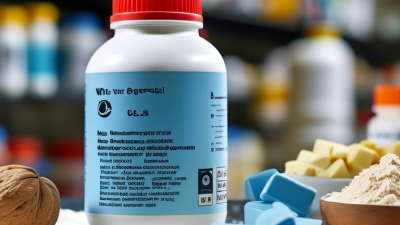
Choosing a China-based peptide hydrolysate supplier requires more than comparing a price sheet. MarketsandMarkets’ 2024 protein ingredients report forecasts a 6.3% CAGR through 2029, increasing pressure on raw materials and production schedules. Ask for a cost breakdown covering peptide content, testing, packaging, shipping, and minimum order quantity. A low quotation may exclude essential quality checks. Request recent batch records, specifications, and a clear Certificate of Analysis. Check whether “Protein Hydrolysate 20” means 20% protein, a peptide fraction, or an internal product code. This detail can change the real cost significantly.
Customization should be tested with a small pilot batch. Discuss molecular-weight distribution, solubility, flavor, moisture, and target application before signing a long contract. The supplier should explain its process, not only promise flexibility. Review test methods for nitrogen, microbiology, heavy metals, and residual solvents. ISO 22000 and HACCP systems support food safety, but certificates alone do not prove daily control. Visit the facility when possible. A clean sample room and traceable labels are useful evidence.
Supply capacity needs measurable proof. Ask for monthly output, current utilization, backup equipment, and lead-time records from the previous six months. Grand View Research’s 2024 market analysis identifies functional and sports nutrition as major growth areas, so demand can shift quickly. Confirm whether production is in-house or subcontracted. One overlooked risk is packaging capacity during peak seasons. I would also compare three trial batches, because one successful sample can hide inconsistent raw materials. Reliable communication matters, even when the answer is inconvenient.
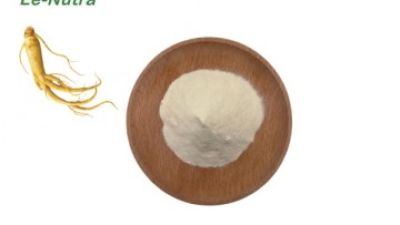
Ginseng peptide is a water-soluble protein ingredient derived from Panax ginseng root. With a protein content of at least 80% and a molecular weight of no more than 3,000 Da, it is designed for convenient use in beauty, nutrition, and wellness formulations. Its fine white powder appearance and full solubility make it easy to blend into anti-aging serums, whitening creams, protein powders, energy capsules, and healthy beverages. It may support collagen-focused skincare, antioxidant protection, and daily energy management when included in a balanced formula.
When choosing a ginseng peptide product, check the source, purity, solubility, and quality specifications rather than relying only on marketing claims. A reliable option should be made from ginseng root, contain approximately 5.0% moisture, meet a lead limit of no more than 10 mg/kg, and maintain a total plate count of no more than 1,000 CFU/g. These details help formulators evaluate consistency and suitability for their intended applications. For bulk purchasing, food-grade inner packaging with an outer kraft paper bag can help protect the powder during storage and transport, with common pack sizes including 15 kg and 25 kg or customized quantities.
Food, sports nutrition, clinical nutrition, and cosmetics commonly use them. They support drinks, bars, soups, sachets, lotions, masks, and scalp products. Their purpose depends on peptide size and formulation needs.
Smaller protein chains may dissolve faster and create a lighter texture. They can suit powdered mixes, protein drinks, and nutrition bars. Heating may change solubility. Laboratory trials remain necessary.
Request a sample and test it in the actual formula. Water testing alone can mislead. Check dispersibility, taste, odor, moisture, and stability. I once trusted appearance too much. That was a poor shortcut.
Ask for batch specifications, microbiological results, and heavy-metal testing. Request allergen statements and traceability records. The certificate should match the actual batch. Generic templates are not enough.
Compare peptide profiles, average molecular weight, solubility, and moisture. Review production capacity, storage conditions, and change-control procedures. Also check testing methods and delivery records. Price alone hides important differences.
Look for labeled containers, clean sampling areas, and calibrated instruments. Check warehouse temperature controls and traceable batch labels. Ask whether production is internal or subcontracted. Online documents can hide practical weaknesses.
Request a cost breakdown for ingredients, testing, packaging, shipping, and minimum order quantities. Confirm what protein percentages or internal codes actually mean. Test customization through a small pilot batch. Promises are not proof.
Ask for monthly output, current utilization, backup equipment, and recent lead-time records. Review at least three trial batches when possible. Inspect packaging capacity during busy periods. One successful sample can hide inconsistent raw materials.
Choosing a reliable China-based Peptide Hydrolysate supplier requires more than comparing prices. Peptide Hydrolysate is used in industries such as food and nutrition, animal feed, cosmetics, agriculture, and biotechnology, where consistent composition, solubility, functionality, and safety are essential. Buyers should assess whether a supplier follows appropriate quality management systems and can provide complete documentation, including specifications, certificates of analysis, traceability records, and relevant testing results.
A thorough supplier comparison should cover raw material sources, enzymatic or processing methods, production controls, batch consistency, contaminant testing, packaging, and storage conditions. It is also important to verify testing for parameters such as peptide content, moisture, microbiological safety, heavy metals, and allergen-related requirements when applicable. Pricing should be evaluated alongside customization options, minimum order quantities, lead times, production capacity, and long-term supply stability. Clear communication, technical support, and transparent quality procedures can help buyers select a dependable partner and reduce risks throughout procurement and product development.