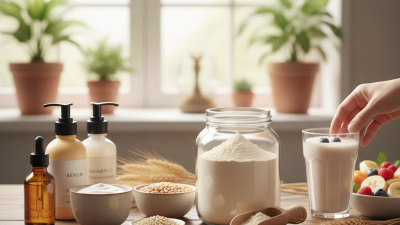
Hydrolyzed wheat protein is a plant-based ingredient made by breaking down wheat protein into smaller pieces called peptides. This process can help it mix better, improve the texture, and make it easier to digest in certain products. You’ll often find it in protein drinks, recovery powders, nutrition bars, and other sports nutrition products. It tends to mix quickly, feels lighter on the tongue, and can even help reduce that dense, chalky feeling you sometimes get with supplements.
The reason it’s gaining popularity? Well, market reports give us some clues. For example, Grand View Research estimated that the global sports nutrition market hit around USD 45.27 billion in 2023, and they’re pretty optimistic about growth continuing through 2030. On top of that, Innova Market Insights has noted that more and more consumers are interested in plant-based proteins and functional nutrition options. All these trends kinda point to the potential benefits of hydrolyzed wheat protein in sports nutrition, but it’s important to remember, that doesn’t automatically mean every health claim out there is true.
In terms of nutrition, hydrolyzed wheat protein does offer amino acids that can support your daily protein goals and post-workout recovery. Still, how useful it is really depends on the amino acid profile, total protein content, how much you’re taking, and your overall diet. It’s not the same as whey or high-quality soy protein, so keep that in mind. The potential looks promising, but it’s not the full story. Most studies look at hydrolysates in general, not wheat-specific versions, and that’s an important distinction. If you have celiac disease, a wheat allergy, or gluten sensitivity, it’s best to chat with a healthcare pro before trying it. And, of course, product labels should clearly state wheat and gluten content, following the rules.
This article walks through how hydrolyzed wheat protein is made, what it offers nutritionally, what research says, how it’s used in formulas, and what some of the realistic limits are. Remember, making good decisions means looking at both lab data and what actually happens when people use it. Sometimes, marketing talks a little faster than science can keep up, so always stay cautious and informed.
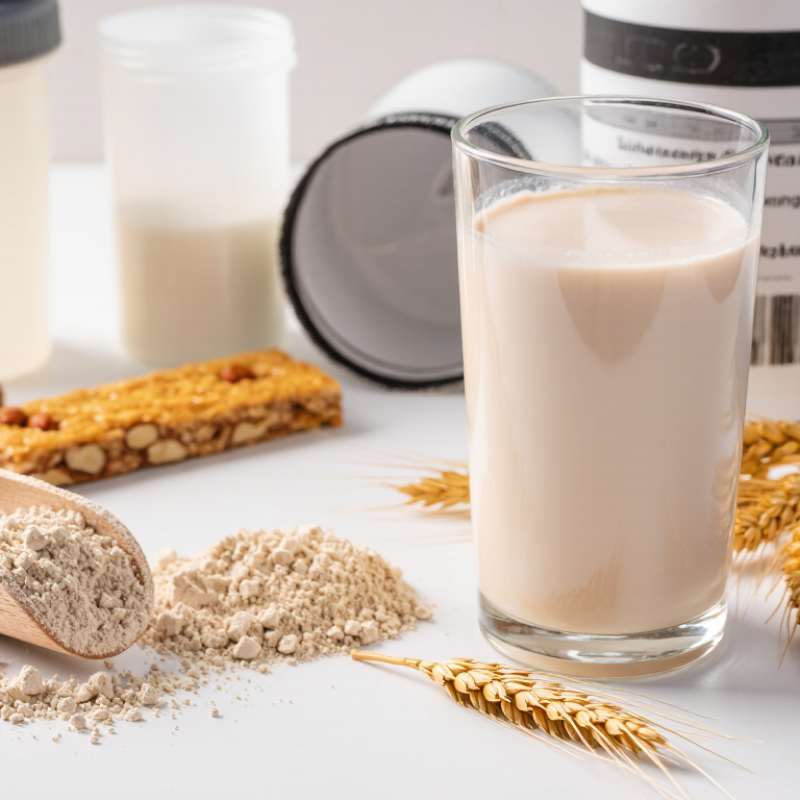
Hydrolyzed Wheat Protein is a cosmetic ingredient made by breaking wheat protein into smaller peptides. The INCI name identifies it as “Hydrolyzed Wheat Protein” on ingredient labels. “INCI” means International Nomenclature of Cosmetic Ingredients. This system improves consistency across markets, although it does not show the complete manufacturing process. Hydrolysis may use water, enzymes, acids, or other controlled methods. The resulting material can vary in peptide size, odor, color, and solubility. That detail matters. A clear liquid and a pale powder may share the same INCI identity. They may still perform differently in a formula.
In hair products, these peptides can attach to damaged fibers and form a light, flexible film. This may improve combing, softness, and the temporary feel of thickness. In skin products, the ingredient may support surface moisture retention.
Its name can cause confusion with food nutrition. Topical hydrolyzed wheat protein is not a dietary protein supplement. People with wheat allergies should review labels and seek medical advice when uncertain. Those with celiac disease may also prefer professional guidance for products used around the mouth. Safety depends on the finished formula, concentration, impurities, and exposure pattern.
“Hydrolyzed Rice Protein Benefits” is a separate search phrase, not evidence for wheat protein. Rice and wheat hydrolysates have different source materials and specifications. Practical testing remains important. I would check supplier documents, stability data, and sensory results before making strong claims. Some hair feels fuller after use. Other hair feels coated or dry. That difference deserves honest wording, because laboratory performance does not always predict a person’s bathroom experience.
Hydrolyzed wheat protein is wheat protein broken down by enzymes or acids into smaller peptides. In cosmetic formulations, these fragments commonly range from about 0.5 to 10 kDa. That size matters. Smaller peptides can spread across damaged cuticle areas, while larger fractions mainly form a temporary film on the hair surface. The Cosmetic Ingredient Review’s safety assessment considers hydrolyzed wheat protein suitable for cosmetic use when formulated appropriately, although individual sensitivity still requires attention.
A 0.5 kDa peptide is roughly 500 daltons, while a 10 kDa peptide is about 10,000 daltons. This wide range explains why products can feel different after one wash. Hair may seem smoother, less porous, and easier to comb. The effect is usually conditioning, not permanent repair. Industry testing reports often measure wet-combing force, tensile strength, and breakage after repeated washing; results vary with peptide size, concentration, heat exposure, and hair damage. The evidence is useful, but not perfectly tidy.
Hydrolyzed wheat protein may also support moisture retention by holding water near the fiber surface. Bleached ends can feel less rough. Still, protein-heavy formulas may leave some hair stiff or dry. Personal testing matters. Compared with searches for Hydrolyzed Rice Protein Hair Benefits, wheat-derived peptides are often discussed for their film-forming and conditioning behavior, not as a universal solution. A practical test is simple: apply a small amount, examine softness and flexibility after drying, then adjust frequency.
Hydrolyzed wheat protein is made by breaking wheat proteins into smaller peptides. These fragments can improve moisture retention, texture, and conditioning performance. In practical testing, the material often feels lighter and spreads more easily. Results still depend on concentration and the final formula.
Manufacturing begins with selected wheat protein and controlled enzymatic hydrolysis.
Enzymes split large protein chains under measured temperature and pH conditions. Technicians monitor time carefully because excessive hydrolysis may weaken functional performance. The liquid then passes through filtration systems. Filtration removes unwanted particles and helps create a more consistent solution. Quality control checks peptide profile, moisture, color, odor, microbiological status, and residual impurities. Gluten status also requires clear testing and communication. Not every batch behaves identically. That deserves attention.
Tips:
Ask for a specification sheet and recent test results. Check the hydrolysis method, filtration stage, and storage conditions. A small application trial can reveal changes in viscosity or skin feel. Do not assume a finer protein always performs better. Balance laboratory data with real formulation experience. Proper documentation supports safer, more reliable use.
Hydrolyzed wheat protein is made by breaking wheat proteins into smaller, water-soluble peptides. In skincare, formulators commonly use it at 0.5–5%. This range supports three practical functions: film formation, humectancy, and conditioning. At the lower end, it can leave a light, flexible layer on the skin. That layer may reduce the rough, tight feeling after cleansing.
The film is not a permanent barrier. It is more like a thin, invisible glove. Its peptides can attract some water, although the effect depends on formula pH, solvents, and the surrounding humectants. At higher use levels, the ingredient may improve slip and softness, but excessive loading can feel tacky. Less is sometimes better. In rinse-off products, contact time also limits performance.
The Cosmetic Ingredient Review safety assessment examined hydrolyzed wheat protein and related ingredients using published toxicology and cosmetic-use data. It concluded that these ingredients can be used safely when properly formulated, while sensitization remains a relevant consideration for susceptible users. The European Commission CosIng database also records its cosmetic conditioning functions. Evidence for dramatic skin repair is still limited, so claims should stay modest. Readers comparing Hydrolyzed Rice Protein Skin Benefits should remember that protein source alone does not predict results; molecular size and the complete formula matter more.
| Typical Use Level | Primary Cosmetic Function | How It Works | Potential Product Benefits | Suitable Product Types and Formulation Notes |
|---|---|---|---|---|
| 0.5–1.0% | Light conditioning | Low-molecular-weight wheat peptides can deposit on hair or skin surfaces and contribute to a smoother sensory feel. | Improved softness, reduced rough feel, and a lighter conditioning effect without a heavy after-feel. | Suitable for fine-hair shampoos, lightweight conditioners, facial cleansers, and daily lotions. Actual performance depends on peptide size and the complete formula. |
| 1.0–2.0% | Humectancy | Protein hydrolysates contain water-attracting peptide fragments and amino-acid residues that can help support moisture retention at the surface. | A more hydrated skin feel, improved surface comfort, and reduced perception of dryness when combined with other moisturising agents. | Suitable for moisturising creams, body lotions, hand products, shampoos, and rinse-off conditioners. Humectant performance is influenced by humidity and the full humectant system. |
| 1.0–3.0% | Film formation | Peptide fragments can form a thin, flexible film on hair or skin after application and partial drying. | Helps provide a smoother surface, temporary protection from friction, and a conditioned feel. | Useful in leave-in conditioners, styling products, facial moisturisers, and body-care products. The film is cosmetic and temporary rather than a permanent barrier. |
| 2.0–3.0% | Hair conditioning | Adsorption of hydrolyzed protein components onto damaged or porous hair may improve surface feel and help reduce roughness. | Easier wet combing, improved softness, enhanced manageability, and a fuller-feeling hair fiber in some formulations. | Suitable for rinse-off conditioners, hair masks, repair treatments, and leave-in products. It does not permanently repair structural damage. |
| 2.0–4.0% | Skin conditioning | The hydrolyzed protein can contribute to a smooth, conditioned surface and support the sensory properties of the emulsion. | Softness, improved spreadability, and a smoother after-feel in moisturising and protective skin-care products. | Suitable for body creams, hand creams, facial moisturisers, and cleansing products. Skin compatibility should be confirmed with a finished-product patch test. |
| 3.0–5.0% | Enhanced film and conditioning effect | Higher inclusion levels may increase the amount of protein-derived material available to form a surface film and contribute to conditioning. | More noticeable coating, softness, manageability, and moisture-supporting effects, especially in hair-care applications. | Consider for intensive hair masks, treatments, and selected rinse-off products. Higher levels may affect viscosity, clarity, odor, tack, or product feel and require compatibility testing. |
| 0.5–5.0% | Multifunctional cosmetic support | Hydrolyzed wheat protein can provide overlapping film-forming, humectant, and conditioning functions rather than acting as a single-purpose ingredient. | Supports a moisturised feel, improved surface smoothness, and enhanced sensory conditioning in hair and skin products. | The final recommended level should follow the raw-material supplier’s specification, formulation testing, regulatory requirements, and the product’s rinse-off or leave-on format. |
Formulation note: Hydrolyzed wheat protein is a cosmetic conditioning and moisture-support ingredient. Results vary with hydrolysis degree, peptide molecular-weight distribution, pH, processing temperature, surfactant system, preservative system, and the final use level. Ingredient and finished-product safety should be assessed before commercialization.
Hydrolyzed wheat protein is wheat protein broken into smaller peptides. These fragments can cling to the hair cuticle and fill small surface irregularities. The result may feel smoother during brushing, especially on porous or chemically treated hair. Journal of Cosmetic Science research describes hydrolyzed proteins as temporary film-formers that improve fiber lubrication and reduce friction. Less friction usually means easier combability and fewer broken strands during styling.
Shine can improve, too. A more even cuticle reflects light more consistently, creating a clearer surface glow. The Cosmetic Ingredient Review has assessed hydrolyzed wheat proteins as cosmetic ingredients with established safety information. However, protection has limits. Protein can reduce mechanical stress from combing, yet it cannot reverse severe internal damage. A 2023 technical review in Cosmetics & Toiletries also notes that conditioning results vary with peptide size, concentration, porosity, and formulation. The evidence is useful, not perfect. Some hair may feel stiff after frequent protein use.
Tips: Apply a protein-containing conditioner mainly to mid-lengths and ends. Rinse thoroughly. Use a wide-tooth comb on damp hair, starting at the tips. Try it once weekly, then adjust. If strands feel rough or brittle, reduce frequency and add a richer moisturizing conditioner. A small strand test helps, although it is not a laboratory measurement.
Hydrolyzed wheat protein is wheat protein broken into smaller peptides. It can improve texture, moisture retention, and surface conditioning. In hair products, these effects are often discussed alongside Hydrolyzed Keratin Hair Benefits, although wheat protein and keratin are different materials. Smaller peptides do not automatically mean allergen-free. That point deserves more attention.
The FDA lists wheat among the nine major food allergens under the Food Allergen Labeling and Consumer Protection Act. For packaged foods, wheat must appear clearly in the ingredient list or a “Contains” statement. The FDA’s gluten-free rule sets a limit below 20 parts per million of gluten. This is a labeling threshold, not proof that every person with wheat allergy can safely consume the product. It also does not apply broadly to cosmetics.
NIDDK estimates that celiac disease affects about 1 in 141 Americans. People with wheat allergy face a different immune response. A hydrolyzed ingredient may still contain reactive protein fragments. Cosmetic labels generally identify ingredients, but they do not follow the same allergen-disclosure system used for foods. Check the full label.
Manufacturing controls matter. Cross-contact can occur through shared equipment, storage, or incomplete cleaning. Testing is useful, yet no single result answers every individual safety question. Sensitive users should consult a qualified clinician before regular exposure, especially when scalp irritation, swelling, or breathing symptoms appear.
It is wheat protein broken into smaller peptides. These peptides may form a light film on hair and skin.
“Hydrolyzed Wheat Protein” identifies the ingredient on cosmetic labels. It does not reveal the full manufacturing process.
It may reduce friction between hair fibers. Brushing can feel easier, especially on porous or chemically treated hair.
A smoother cuticle can reflect light more evenly. Hair may look shinier and feel temporarily thicker.
No ingredient can fully reverse severe internal damage. It may reduce surface friction, but the benefit is temporary.
Yes, sometimes. Frequent protein use may leave strands stiff, rough, or coated.
Apply a conditioner mainly to mid-lengths and ends. Rinse well, then comb damp hair from the tips upward.
Try once weekly, then observe the result. Reduce use if hair feels brittle. Results vary.
Yes. People with wheat allergies should review the full formula and seek medical advice when uncertain.
No. A strand test shows feel, not complete safety. Supplier documents and finished-formula testing are still important.
Hydrolyzed wheat protein is a wheat-derived ingredient identified in cosmetic formulas by its INCI name. Through enzymatic hydrolysis, larger wheat proteins are broken into smaller peptides, commonly ranging from approximately 0.5 to 10 kDa. Filtration and quality-control testing help maintain consistent molecular size, purity, and performance. In personal-care products, it is typically used at concentrations of about 0.5–5% to form a lightweight protective film, attract moisture, and improve conditioning.
For hair care, this ingredient can support smoother combability, enhanced shine, and improved protection against the effects of routine mechanical and environmental stress. Its cosmetic use should be distinguished from dietary applications, so the phrase Benefits Of Hydrolyzed Wheat Protein In Sports Nutrition requires separate nutritional evidence rather than assumptions based on topical performance. Because it originates from wheat, manufacturers should consider allergen communication, appropriate labeling, and relevant safety standards, including the FDA’s 20 ppm gluten threshold where applicable.