Leave Your Message
0%

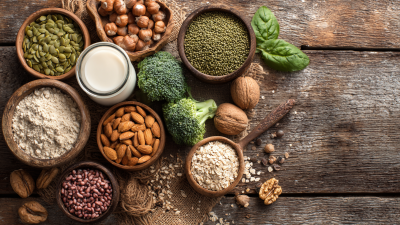
Vegetarian protein? These days it’s way more than just tofu cubes or lentil soup. Think beans, peas, chickpeas, nuts, seeds, whole grains, dairy, eggs—and all those newer plant-based products too. How good any source is depends on things like protein content, amino-acid balance, processing, and what you personally need. Lentils with brown rice are a classic example: different foods can complement each other over the course of a day.

And the evidence here isn’t thin. The Food and Agriculture Organization points to pulses as affordable sources of plant protein, fiber, vitamins, and minerals. Over at the USDA’s FoodData Central, you can dig into detailed nutrition data for foods like tempeh, edamame, Greek yogurt, and pumpkin seeds. The Academy of Nutrition and Dietetics says that well-planned vegetarian diets can be nutritionally adequate at many life stages. Still, planning really does matter. Vitamin B12 is one to watch, especially if you’re fully plant-based.

The market, meanwhile, is moving fast. Good Food Institute reports keep tracking investment, product launches, and consumer demand across plant-based meat, dairy, egg, and seafood categories. Innova Market Insights also flags protein as a big food-and-beverage innovation theme. But the picture isn’t exactly neat. “Plant-based” doesn’t automatically mean low sodium, minimally processed, or better for the environment in every case. Some claims are still overstated. And labels can hide pretty big differences in protein density, saturated fat, and added ingredients. This guide looks at some of the strongest vegetarian protein choices, practical serving ideas, and the trade-offs behind popular products. It won’t settle every question, of course. Nutrition comes down to your whole diet—not one impressive package.
What Is Vegetarian Protein and What Types Are Best?

What Vegetarian Protein Means and Why It Matters

Vegetarian protein means protein from beans, lentils, peas, soy foods, nuts, seeds, grains, eggs, or dairy. It matters because protein supports muscle repair, enzymes, hormones, and immune function. The National Academies set the adult protein recommendation at 0.8 grams per kilogram of body weight daily. Needs may rise with ageing, illness, or intensive training. Vegetarian Full Protein is not a magic food category. It usually means a food or meal provides all nine essential amino acids in useful amounts.

The FAO’s 2013 dietary protein quality report explains that protein quality depends on amino acid content and digestibility. Soy, dairy, eggs, quinoa, and buckwheat can offer strong amino acid profiles. Beans with rice also work well across the day. The Academy of Nutrition and Dietetics states that well-planned vegetarian diets can be nutritionally adequate. Still, “adequate” requires planning. A bean-and-rice plate is not automatically perfect. Iron, zinc, calcium, vitamin B12, and omega-3 fats deserve attention, especially in restrictive diets.

Tips:

Build meals around a clear protein source.

Try lentils with whole-grain bread, tofu with vegetables, or yogurt with seeds.

Add vitamin C foods, such as peppers or oranges, to plant-based iron meals.

Read nutrition labels, but question serving sizes.

A small scoop may look impressive and still provide little protein.

Rescue the plan with variety, not perfection.

How the Body Uses Protein from Plant-Based Foods

What Is Vegetarian Protein and What Types Are Best?

When you eat beans, lentils, tofu, grains, or seeds, digestion begins in your stomach. Acid and enzymes break protein into smaller peptides and amino acids. These compounds move into the small intestine, where they enter the bloodstream.

Your cells then use amino acids to repair muscle fibers, produce enzymes, support immunity, and make hormones. The body does not store extra protein in a special tank. Instead, it continually reuses amino acids from food and normal tissue breakdown. Protein from plants can support these functions, although its digestibility and amino acid balance vary.

Some plant foods contain less lysine, methionine, or leucine than animal proteins. This does not make them incomplete in a practical diet. Eating beans with rice, or hummus with whole-grain bread, can provide a broader amino acid pattern across the day. Variety matters more than perfect food pairing at every meal. It is easy to overstate this point.

Cooking usually softens cell walls and improves digestion. Soaking beans may also reduce compounds that interfere with mineral absorption. A bowl of lentils with vegetables and grains can provide protein, fiber, iron, and steady energy. People with higher needs, including athletes or older adults, may benefit from spreading protein across meals. Individual needs still differ, so a qualified dietitian can consider body size, health conditions, and activity level.

The Main Types of Vegetarian Protein Sources

What Is Vegetarian Protein and What Types Are Best?

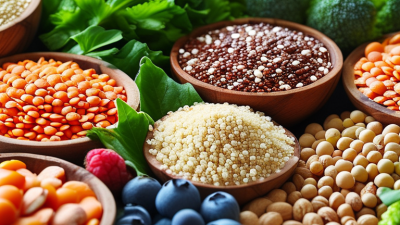
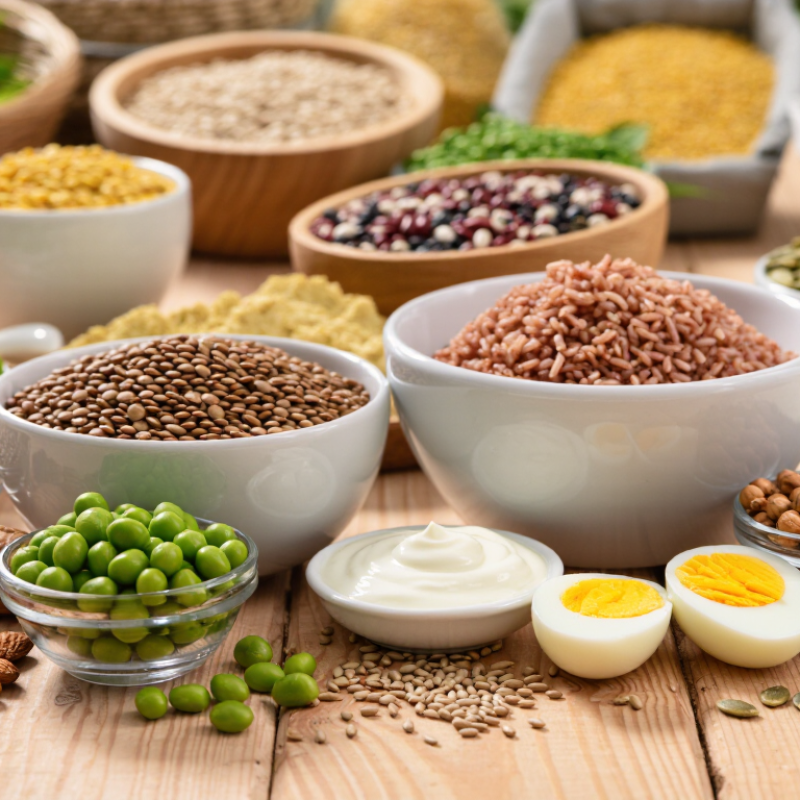
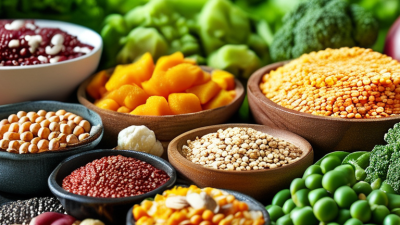
Vegetarian protein comes from plants, dairy products, and eggs. A practical Vegetarian Protein List should include several food groups, not one “perfect” ingredient. Beans, lentils, chickpeas, and peas provide protein, fiber, iron, and steady energy. They work well in soups, grain bowls, and simple spreads.

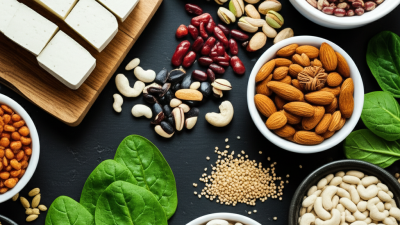
Soy foods offer especially complete protein. Tofu, tempeh, and edamame contain all nine essential amino acids in useful amounts. Tofu absorbs marinades, while tempeh has a firmer texture and a slightly earthy taste. Some people digest soy comfortably; others may prefer lentils or dairy. Individual tolerance matters.

Nuts and seeds add protein with healthy fats. Pumpkin seeds, peanuts, chia seeds, and hemp seeds can improve oatmeal, salads, or yogurt. Whole grains also contribute protein, especially oats, quinoa, buckwheat, and whole-wheat bread. Dairy foods and eggs provide concentrated protein for vegetarians who eat them. Plain yogurt, cottage cheese, and eggs can fit quick breakfasts or post-exercise meals.

Portion size still matters. A few almonds may look protein-rich, but they provide less protein than a bowl of lentils. Pairing different foods across the day can support a balanced amino acid intake. Rice with beans is a familiar example. It is not magic. It is simply practical nutrition. Even careful meal plans can miss protein needs when meals are too small, so appetite, activity, age, and health conditions deserve attention.

What Is Vegetarian Protein and What Types Are Best? - The Main Types of Vegetarian Protein Sources

Protein source Typical serving Approx. protein Approx. calories Protein quality Notable nutrients Best uses
Soybeans, cooked 1 cup (172 g) About 31 g About 296 kcal Complete protein; contains all nine essential amino acids Iron, calcium, magnesium, fiber Bowls, salads, soups, roasted snacks
Tempeh 100 g About 19 g About 195 kcal Complete soy protein Fiber, iron, calcium; fermented food Stir-fries, sandwiches, grain bowls
Firm tofu 100 g About 10 g About 145 kcal Complete soy protein Calcium varies by preparation; iron and magnesium Scrambles, curries, stir-fries, grilling
Lentils, cooked 1 cup (198 g) About 18 g About 230 kcal High-quality plant protein; lower in methionine Fiber, folate, iron, potassium Dhal, soups, salads, patties
Chickpeas, cooked 1 cup (164 g) About 15 g About 269 kcal Good plant protein; pair with grains for complementary amino acids Fiber, folate, iron, phosphorus Hummus, curries, salads, roasted snacks
Black beans, cooked 1 cup (172 g) About 15 g About 227 kcal Good plant protein; relatively lower in methionine Fiber, folate, iron, magnesium Tacos, chili, rice dishes, salads
Seitan 100 g About 25 g About 140 kcal High protein, but low in lysine Some iron; fiber and sodium vary by recipe Sandwiches, stir-fries, kebabs
Quinoa, cooked 1 cup (185 g) About 8 g About 222 kcal Complete protein, though less protein-dense than legumes Fiber, magnesium, manganese, folate Salads, porridge, stuffed vegetables
Pumpkin seeds 28 g (1 oz) About 8 g About 158 kcal Protein-rich seed; amino-acid balance is complementary Magnesium, zinc, phosphorus, healthy fats Toppings, snacks, pesto, granola
Peanut butter 2 tablespoons (32 g) About 8 g About 190 kcal Useful protein source; relatively low in methionine Vitamin E, magnesium, healthy unsaturated fats Toast, oatmeal, sauces, smoothies
Greek yogurt, plain 170 g container About 15–17 g About 100–150 kcal Complete dairy protein Calcium, vitamin B12; cultures may be present Breakfast, dips, dressings, smoothies
Cottage cheese ½ cup (113 g) About 12–14 g About 90–110 kcal Complete dairy protein; rich in casein Calcium, phosphorus, vitamin B12; sodium varies Breakfast bowls, salads, dips, baking

Note: Protein and calorie values are approximate and can vary with variety, preparation method, serving size, and product formulation. A balanced vegetarian diet can provide all essential amino acids by including a variety of legumes, grains, soy foods, nuts, seeds, dairy products, or eggs throughout the day.

Complete and Incomplete Plant Proteins Explained

What Is Vegetarian Protein and What Types Are Best?

Complete and Incomplete Plant Proteins Explained

Vegetarian protein comes from beans, lentils, peas, grains, nuts, seeds, and some vegetables. A complete protein provides all nine essential amino acids in suitable amounts. Many plant foods contain these amino acids, but some provide less lysine or methionine. Calling them “incomplete” can mislead. The difference is usually about proportion, not absence. The FAO Dietary Protein Quality Evaluation report (2013) also stresses digestibility and amino-acid availability.

Protein quality depends on more than a food label. The FAO recommends considering digestible indispensable amino acids, rather than judging protein by its source alone. The National Academies’ Dietary Reference Intakes report sets the adult baseline at 0.8 grams of protein per kilogram of body weight daily. A healthy 70-kilogram adult therefore needs about 56 grams as a starting reference. Needs can rise with age, pregnancy, or intense training.

Pair lentils with rice, whole-grain bread, or corn for a broader amino-acid pattern. Nuts and seeds can add texture, minerals, and extra protein to a bowl of vegetables. They are not magic. Portion size still matters. Combining proteins at every meal is unnecessary because the body maintains an amino-acid pool across the day, according to the Academy of Nutrition and Dietetics’ 2016 position paper. I still find “complete” and “incomplete” too tidy. A varied plate often tells the fuller story.

How to Meet Daily Protein Needs on a Vegetarian Diet

What Is Vegetarian Protein and What Types Are Best?

Meeting daily protein needs on a vegetarian diet is practical with regular meal planning. Most healthy adults need about 0.8 grams of protein per kilogram of body weight daily. Active people, older adults, and those recovering from illness may need more. A qualified dietitian can provide individual guidance. Needs vary.

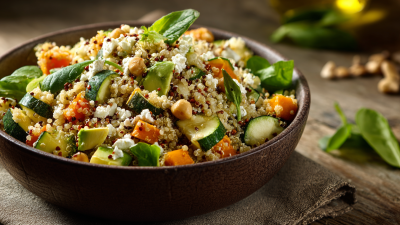
Build meals around lentils, beans, chickpeas, tofu, tempeh, eggs, yogurt, milk, nuts, seeds, and whole grains. One cup of cooked lentils provides roughly 18 grams of protein. A bowl of yogurt with oats and pumpkin seeds can support breakfast without feeling heavy. Rice and beans also work well together, although every meal does not need perfectly matched proteins. Spreading protein across the day may be easier than eating one large serving at dinner.

Vegetarian Protein Powder can help when mornings are rushed or appetite is low. Check its protein amount, added sugar, and ingredient list. Pea, soy, rice, and blended powders offer different textures and amino acid profiles. I have noticed that convenience sometimes encourages careless eating. A shake should support meals, not quietly replace vegetables, fiber, and enough calories. People with kidney disease or other medical conditions should ask a healthcare professional before increasing protein.

Choosing Vegetarian Proteins for Different Nutritional Goals

Vegetarian protein means protein from beans, lentils, peas, soy foods, dairy, eggs, nuts, seeds, and grains. The best choice depends on your nutritional goal, not a single “superfood.” For general health, the National Academies set the adult protein reference at 0.8 grams per kilogram of body weight daily. A 68-kilogram adult therefore needs about 54 grams daily. Individual needs can differ.

For budget-friendly protein, cooked lentils provide about 18 grams per cup, according to USDA FoodData Central. They also add fiber, iron, and folate. For muscle support, tofu, tempeh, Greek-style yogurt, eggs, and milk offer concentrated protein. Soy is especially useful because it contains all essential amino acids. The International Society of Sports Nutrition notes that active adults may benefit from approximately 1.4–2.0 grams per kilogram daily, depending on training and overall diet.

For quick breakfasts, Vegetarian Protein Shakes can combine milk or fortified soy drink with yogurt, oats, and fruit. Check the label for protein, added sugar, and calcium. For bone health, choose calcium-fortified drinks or dairy foods. For iron, pair lentils or chickpeas with tomatoes, peppers, or citrus fruit. Vitamin C helps improve non-heme iron absorption. Nuts and seeds help add calories, but their protein is less concentrated. I sometimes overestimate their protein value. That assumption needs checking. The Academy of Nutrition and Dietetics states that well-planned vegetarian diets can meet nutrient needs, although vitamin B12 requires reliable fortified foods or supplementation.

Vegetarian Protein Choices for Different Nutritional Goals

Approximate protein content per 100 g of prepared food. Values are based on typical entries from USDA FoodData Central and may vary by variety and preparation method.

How to choose: Seitan provides the most protein per 100 g, while tempeh and edamame offer protein with useful amounts of fiber. Lentils and chickpeas are practical choices for fiber-rich meals, tofu is versatile and relatively protein-dense, and quinoa provides a plant protein source that contains all nine essential amino acids.

Natural Vegan Hydrolysed Rice Protein: A Gentle Boost for Hair and Skin Care

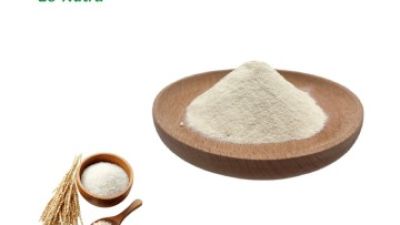
Natural vegan hydrolysed rice protein offers a gentle, plant-based approach to modern hair and skin care. Produced from rice and hydrolysed into smaller peptides, this light yellow powder provides a protein content of at least 80% and an average molecular weight of no more than 2,000 Dalton, with customization available. Its clear, transparent aqueous solution and pH range of 5.5–7.5 make it suitable for sensitive skin formulations, mild cleansers, conditioners, masks, and scalp-care products. These characteristics support a lightweight sensory profile while helping improve moisture retention, comfort, and the appearance of dry or stressed hair and skin.

Consumer demand increasingly favors mild, vegan, and multifunctional cosmetic ingredients. According to Cosmetics Europe’s 2024 market performance data, Europe’s cosmetics and personal care market reached approximately €104 billion in retail sales in 2023, reflecting continued demand for effective daily-care solutions. Industry research from Grand View Research also identifies clean-label, plant-derived ingredients and sensitive-skin products as important growth areas in cosmetic formulation. Hydrolysed rice protein aligns with these trends through its moisturizing, repairing, antioxidant, and soothing properties, making it a practical choice for gentle beauty products designed for everyday use. For quality preservation, the powder should remain sealed in a cool, dry place away from direct sunlight, heat, and humidity.

FAQS

What foods provide vegetarian protein?

Beans, lentils, chickpeas, peas, tofu, tempeh, eggs, dairy, nuts, seeds, and whole grains provide protein. They also add fiber, minerals, or healthy fats.

Which vegetarian proteins contain all essential amino acids?

Soy foods, including tofu, tempeh, and edamame, provide all nine essential amino acids. Eggs and dairy foods also offer concentrated, complete protein. Individual digestion still matters.

How much protein do healthy adults generally need?

Many healthy adults need about 0.8 grams per kilogram of body weight daily. Active adults, older people, or recovering patients may need more. Needs differ.

How much protein does one cup of cooked lentils provide?

One cup provides roughly 18 grams of protein. It also supplies fiber and iron. A warm lentil bowl can be filling.

Do vegetarians need complete protein at every meal?

No. Eating varied protein foods across the day can support balanced amino acid intake. Rice with beans is a practical example. It is not magic.

How can someone spread protein across the day?

Add yogurt, oats, and pumpkin seeds at breakfast. Choose lentils, tofu, or beans at lunch. Include eggs, dairy, or tempeh later.

Can vegetarian protein powder help meet daily needs?

It can help during rushed mornings or periods of low appetite. Check protein content, added sugar, and ingredients. A shake should support meals, not replace vegetables.

Are nuts and seeds efficient protein sources?

Nuts and seeds provide protein, but their portions can be small. A few almonds contain less protein than a bowl of lentils. Portion size matters.

Should people with medical conditions increase protein independently?

People with kidney disease or other conditions should ask a healthcare professional first. Protein needs may depend on health, age, activity, and appetite. Guessing can backfire.

Conclusion

Vegetarian Protein refers to protein obtained from plant-based foods such as beans, lentils, peas, tofu, tempeh, nuts, seeds, and whole grains. It matters because protein supports muscle repair, immune function, hormones, enzymes, and overall energy. After digestion, the body breaks protein into amino acids, which it uses to build and maintain tissues. Although some plant proteins contain lower amounts of one or more essential amino acids, eating a varied diet can provide a balanced supply.

Most people can meet their daily protein needs on a vegetarian diet by including a protein-rich food in each meal and adjusting portions according to age, activity level, and health goals. Combining different sources throughout the day, such as grains with legumes, can help provide complete amino acid coverage. The best choices depend on individual priorities: legumes and soy foods may support muscle maintenance, nuts and seeds provide healthy fats, and minimally processed whole foods can contribute protein along with fiber, vitamins, and minerals.
Amelia

Amelia

Amelia is a dedicated professional marketing specialist with a deep commitment to promoting natural, healthy, and innovative raw materials. As an integral part of our team, she channels her extensive knowledge into researching and marketing products that significantly enhance the fields of......
Previous China Best Curcumin Bioavailability Improvement Methods?