China has really become a major hub for curcumin research, extraction, and formulation. A lot of manufacturers now run a Curcumin Extraction Plant with controlled temperature systems and standardized raw materials. But here's the thing: high curcumin content doesn't automatically mean it absorbs well. The real challenge is getting it to perform inside the human body.
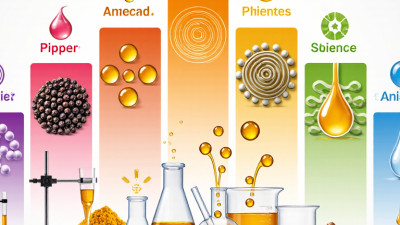
This intro looks at some practical Curcumin Bioavailability Improvement Methods that Chinese suppliers and formulation specialists actually use. You'll see things like piperine combinations, phospholipid complexes, nanoemulsions, solid dispersions, and cyclodextrin systems. Each approach changes curcumin's solubility, stability, or intestinal absorption in its own way. Some formulas look impressive in lab tests. Human results can still be different. And that matters.
Reliable evaluation takes more than a glossy product brochure. Manufacturers should be able to show identity testing, purity results, microbial controls, heavy metal testing, and stability data. Independent labs can also verify dissolution and bioavailability claims. Good manufacturing practice helps keep things consistent from raw material intake all the way to finished capsules or powders. Still, documentation quality varies a lot across suppliers. So careful buyers should ask direct questions.
The 'best' method really depends on the intended product, target dosage, cost, and safety requirements. A beverage might need water-dispersible technology. A supplement capsule may benefit from a phospholipid or lipid-based delivery system. Piperine can improve absorption, but it may affect drug metabolism for some users. That's why professional formulation review is essential.
No method is perfect. Our comparison should stay practical, evidence-based, and open to revision. By looking at processing experience, clinical evidence, and quality controls together, readers can make more reliable decisions about China's curcumin bioavailability solutions.
Curcumin bioavailability means the amount that enters the bloodstream and remains available for use. It matters because swallowing a capsule does not guarantee meaningful exposure. Curcumin has very low water solubility, limited absorption, and rapid metabolism. A review in the Journal of Medicinal Chemistry reported that conventional curcumin produces low plasma levels in human studies. The exact number varies widely. Formulation, dose, food intake, and testing methods all influence results.
Professional reviews in Nutrients and the International Journal of Molecular Sciences describe several improvement methods. Smaller particles may dissolve faster. Lipid-based delivery can support absorption because curcumin is fat-soluble. Phospholipid complexes and carefully tested emulsions may also improve exposure. However, higher blood levels do not automatically prove better clinical outcomes. That distinction is often overlooked.
Tips: Take curcumin with a meal containing healthy fats, unless a healthcare professional advises otherwise. Check whether a product provides human pharmacokinetic data, not only laboratory results. Look for independent testing of identity, purity, and contaminant limits. Be cautious with dramatic “bioavailability increased” claims. Some figures come from small studies or single-dose trials. A 2024 review in Nutrients noted continuing gaps in long-term safety and standardized comparison methods. More absorption is useful, but more is not always better.
Curcumin absorption is often limited before it reaches the bloodstream. It dissolves poorly in water, so the intestine may receive only a small usable amount. Liver and intestinal enzymes then transform it quickly. Transport proteins and rapid elimination can reduce exposure further. That explains why ordinary powders may show modest results.
Food can change this picture. Taking curcumin with a meal containing healthy fat may support dissolution and uptake. Formulations using phospholipid complexes, emulsions, or micelles can improve dispersion. Some products add absorption enhancers, but these may alter medicine metabolism. People using prescription drugs should ask a qualified clinician first. Clinical studies do not always agree. A higher blood level may not guarantee better tissue effects. This is easy to overlook.
Tips: Check the supplement’s formulation and serving details. Avoid assuming a larger dose works better. Take it consistently with food, unless medical advice says otherwise. Watch for stomach discomfort, loose stools, or unusual reactions. Research remains promising, but not perfectly consistent. Personal response can differ.
Curcumin is poorly absorbed because it dissolves slowly and undergoes rapid metabolism. Piperine, a compound from black pepper, may improve its uptake. It can inhibit intestinal glucuronidation and influence transport proteins, allowing more curcumin to enter circulation. Some human studies have reported substantially higher blood levels when both compounds are taken together. The effect is not identical for everyone.
In practice, piperine-containing curcumin may produce stronger exposure with a smaller dose. That sounds ideal. It is not risk-free. Piperine can also affect how the body processes medicines, including some drugs with narrow safety margins. Possible concerns include stomach irritation, reflux, and unpredictable drug concentrations. People using anticoagulants, diabetes medicines, or blood-pressure treatments should seek professional advice before use. Extra caution is sensible during pregnancy, breastfeeding, or before surgery.
The evidence is promising, but not complete. Higher blood levels do not automatically prove better long-term results. Product quality, meal composition, dosage, and personal metabolism can all change absorption. I would not treat piperine as a universal solution. A formulation using phospholipids, nanoparticles, or water-dispersible ingredients may suit some users better. Careful labeling matters. Independent testing matters more. The safest choice is usually the one that matches a person’s health status, medication list, and realistic goal.
China’s curcumin manufacturers are increasingly using lipid-based formulations to address poor absorption. Curcumin dissolves poorly in water and undergoes rapid intestinal and hepatic metabolism. A 2023 systematic review in Nutrients found that advanced formulations often produced higher blood exposure than standard powders, although study designs differed widely.
Lipid carriers surround curcumin with oils, phospholipids, or emulsifiers. This can improve wetting, micelle formation, and intestinal transport. A 2024 review in International Journal of Pharmaceutics reported that lipid nanoparticles increased apparent curcumin solubility by roughly 100 to 1,000 times in laboratory models. Human results were less dramatic. Some trials showed several-fold higher exposure, while others found modest changes. The evidence is promising, but not clean.
A practical formulation may use a self-emulsifying delivery system. A small capsule can disperse into fine droplets after contact with digestive fluids. Droplet size matters. So does the oil type, surfactant ratio, and digestive stability. Poorly balanced systems may separate before absorption. That limitation matters.
Manufacturers should verify particle size, dissolution, chemical stability, and pharmacokinetic performance. Independent testing is essential. A 2022 review in Pharmaceutics noted that animal findings frequently overestimated human bioavailability gains. Human data should guide claims, not attractive laboratory graphs. Even a technically elegant lipid system may perform inconsistently with meals, dosage, or individual digestion. The formulation still needs refinement.
Curcumin dissolves poorly in water, limiting absorption after ordinary oral use. Advanced delivery systems address this problem through different formulation strategies. Phospholipid complexes can improve interaction with intestinal membranes. Micelles and nanoemulsions disperse curcumin into tiny droplets, supporting better contact with digestive fluids. Solid lipid nanoparticles may protect curcumin during digestion and release it more gradually.
The delivery system matters greatly. Particle size, surface structure, storage stability, and release behavior can change performance. A practical formulation lesson is simple: smaller particles do not automatically guarantee better absorption. Human studies, not laboratory claims alone, should guide product evaluation. Testing should include validated measurements of curcuminoid content, dissolution, stability, and pharmacokinetic changes.
Food can also influence results. A meal containing moderate fat may support absorption for some formulations, while individual responses still vary. No system is perfect. Some advanced carriers may increase manufacturing complexity, cost, or sensitivity to heat and moisture. I would avoid choosing a formula based only on a high percentage claim. Reliable evidence requires transparent methods, consistent batches, and appropriate safety assessment. Better absorption should mean measurable exposure, not merely impressive packaging language.
Comparing curcumin supplements starts with bioavailability, not just milligrams. Standard curcumin is poorly absorbed, so manufacturers may use phospholipid complexes, emulsions, micelles, or particle-size reduction. Piperine may also increase absorption, but it can affect how some medicines are processed. More absorption is not automatically better.
Look for human clinical studies that match the product’s formulation and serving size. A study using a specialized delivery system cannot prove the same result for ordinary powder. Check the curcuminoid percentage, extraction method, batch number, and expiration date. Independent testing for heavy metals, microbes, and unwanted solvents adds confidence. A certificate of analysis helps, though it should be clear and product-specific. I would not rely on a dramatic absorption claim alone. Evidence is often limited, and test conditions differ.
Tips: Compare actual curcuminoid content, not capsule weight. Read the full ingredient list. Check whether the study measured blood levels or meaningful health outcomes. Consider possible medicine interactions, especially with anticoagulants, and ask a qualified healthcare professional when uncertain. Taste, stomach comfort, and daily practicality matter too. A technically advanced formula may still fail if it causes discomfort. That detail is easy to overlook.
It means how much curcumin enters the bloodstream and remains available for use. Swallowing a capsule proves very little.
Curcumin dissolves poorly in water, absorbs incompletely, and undergoes rapid metabolism. These barriers can produce low blood levels.
A meal containing moderate healthy fat may support absorption for some formulations. Individual digestion still changes the result.
Oils, phospholipids, and emulsifiers can improve wetting and intestinal transport. They may help form tiny droplets during digestion.
No. Particle size matters, but stability, release behavior, and digestive conditions matter too. Smaller is not automatically better.
Phospholipid complexes, micelles, nanoemulsions, and solid lipid particles are commonly evaluated. Each system has different strengths and limits.
Look for human pharmacokinetic data, dissolution results, stability testing, and independent identity and purity checks. Laboratory results alone are insufficient.
No. Higher exposure does not automatically prove better clinical results. That assumption is tempting, but incomplete.
Some claims rely on small, single-dose studies or laboratory models. Human responses may be much less impressive.
Studies use different doses, meals, formulations, and testing methods. Long-term safety comparisons remain incomplete. The evidence is promising, not settled.
Curcumin Bioavailability Improvement Methods focus on helping the body absorb and use curcumin more effectively, since natural curcumin has limited water solubility, rapid metabolism, and relatively low absorption. This article explains why bioavailability matters and examines key factors that influence uptake, including digestion, formulation, dosage, and individual differences. It also discusses how piperine may increase curcumin absorption by slowing certain metabolic processes, while emphasizing the importance of considering possible medication interactions and personal safety needs.
The article further reviews lipid-based formulations, which can support curcumin dispersion and absorption, as well as advanced delivery systems designed to improve stability and intestinal uptake. Finally, it provides practical guidance for comparing supplements by reviewing the curcumin form, supporting ingredients, dosage transparency, manufacturing quality, testing standards, and evidence behind the formulation. Together, these points help readers make informed, quality-focused decisions without relying solely on marketing claims.