Leave Your Message
0%

Choosing the right manufacturer among China’s top supplement component producers isn’t just about checking prices or flipping through product catalogs. The global dietary supplements market itself was valued at around USD 177.5 billion in 2023, according to Grand View Research’s 2024 report. They’re also projecting a pretty solid growth rate of about 9.1% annually from 2024 to 2030. That kind of growth brings up some practical questions, though. Like, can a supplier deliver consistent batches? Do they have clear specs and reliable documentation? Because even small differences can matter—things like the powder’s color, smell, or how well it dissolves can vary from one batch to another and actually impact formulation and production.

And it’s not just about the supply side—demand is huge. For example, the Council for Responsible Nutrition’s 2024 survey found that about 75% of adults in the U.S. use dietary supplements. But let’s be honest—just because a lot of people are using them doesn’t mean every manufacturer is top-notch. So, don’t just rely on a ranked list or top ten; think of it as a jumping-off point. It’s super important to compare things like ingredient variety, how many years they’ve been in the game, quality standards, traceability, and whether they’ve had independent testing. Certifications can be helpful, sure, but they don’t tell the whole story. Public info can sometimes be outdated or incomplete, so it’s worth digging a little deeper.

The profiles included here highlight manufacturers working with categories like vitamins, minerals, botanical extracts, amino acids, and probiotics. Use these as a starting point to narrow down your list, then reach out to each company to double-check their current capabilities and documentation. A slick website doesn’t necessarily mean they’re reliable. Good sourcing actually requires asking the right questions and sometimes taking a second look. It’s all about doing your homework, kinda like any good relationship—trust but verify.

China Top 10 Supplement Components Manufacturers?

What Supplement Components Manufacturers Produce

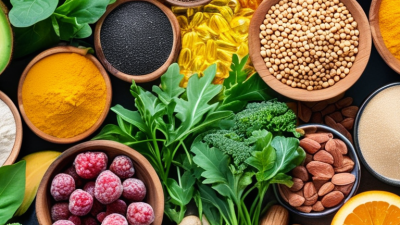
Supplement component manufacturers produce the ingredients and intermediate materials used in dietary products. Their catalogs may include vitamin and mineral powders, botanical extracts, amino acids, enzymes, and probiotic preparations. Some manufacturers blend premixes, helping customers deliver consistent ingredient amounts across production batches. Others supply capsule shells, carriers, or flow agents. The exact range depends on equipment and specifications. It varies.

Manufacturing steps can include raw-material inspection, milling, extraction, drying, and blending. For example, a powder may need a controlled particle size to mix evenly and flow through filling equipment. Buyers should review ingredient identity, potency, and contaminant testing, along with lot-specific records. A certificate is useful, but it does not replace clear testing methods or supplier oversight. Makeup Components serve a different product category; supplement inputs are selected for oral use and need appropriate specifications. Even well-documented ingredients may behave differently in a finished formula, so small-scale trials can reveal issues with taste, moisture, or mixing.

How China’s Supplement Ingredients Industry Is Structured

China Top 10 Supplement Components Manufacturers?
How China’s Supplement Ingredients Industry Is Structured

China’s supplement ingredients industry is a supply network, not simply a list of manufacturers. It begins with agricultural, marine, mineral, or fermentation-based inputs. Processors then extract, concentrate, dry, or refine these materials into ingredients. Some suppliers specialize in one step; others manage several stages. The map is not always tidy. A trading company may coordinate sourcing without owning a production site, so buyers should verify who actually makes each ingredient.

Further along the chain, ingredient producers supply supplement brands and contract manufacturers, while independent laboratories may test identity, purity, and contaminants. Documentation matters: request batch-specific certificates of analysis, testing methods, and clear traceability records. Factory visits or qualified audits can add useful context, but paperwork alone cannot prove consistent production. That distinction is easy to overlook. Industry rankings also depend on the chosen criteria, such as capacity, technical expertise, or export experience, so “top” does not mean best for every product.

Tips: Ask where the raw material was sourced and which facility processed it. Compare recent batch records, not just sample results. If answers feel vague, pause and investigate. Even experienced buyers can miss gaps between a supplier’s claims and its actual role.

China Top 10 Supplement Components Manufacturers? - How China’s Supplement Ingredients Industry Is Structured

This is a category-based map of the supplement ingredient supply chain, not a ranking of companies. Examples describe ingredient types and common production or quality considerations; they do not identify manufacturers or brands.

No. Ingredient Segment Typical Components Common Supply-Chain Role Key Buyer Checks
01 Vitamins Vitamin C, vitamin E, B-group vitamins, and vitamin premixes Manufacture or blend single vitamins and premixes for use in tablets, capsules, powders, and fortified products. Identity, assay, stability, impurity profile, and suitability of the grade for the intended use.
02 Minerals Calcium, magnesium, iron, zinc, and mineral salts such as citrates or carbonates Supply mineral compounds selected for nutrient content, solubility, and compatibility with a finished formula. Elemental mineral content, heavy-metal results, solubility, particle size, and applicable food-grade specifications.
03 Amino Acids L-glutamine, L-lysine, L-leucine, and other individual amino acids Produce or process amino-acid ingredients used in nutrition powders, capsules, and specialized formulations. Identity, purity, related substances, microbiological quality, and documentation of production origin where required.
04 Botanical Extracts Extracts from plants such as tea, ginseng, and turmeric Convert botanical raw materials into powders or liquid extracts, sometimes standardized to specified marker compounds. Botanical identity, plant part, extraction solvent, marker-compound assay, pesticide residues, and contaminant testing.
05 Probiotics Selected bacterial strains supplied as cultures or dried preparations Ferment, concentrate, and dry microorganisms for incorporation into products requiring controlled handling and storage. Strain identification, viable count through shelf life, moisture, contamination controls, and storage conditions.
06 Enzymes Food-use enzymes such as proteases, lactase, and amylases Produce or prepare enzyme ingredients whose activity can support specific processing or formulation functions. Declared enzyme activity, source and processing details, stability, allergen information, and permitted use in the target market.
07 Omega-3 Oils Fish oils and algae-derived oils containing EPA and/or DHA Refine, concentrate, or encapsulate oils for use in softgels, liquids, and powdered formulations. EPA/DHA content, oxidation indicators, fatty-acid profile, contaminants, and packaging protection from light and oxygen.
08 Collagen and Gelatin Ingredients Collagen peptides and gelatin derived from animal raw materials Process raw materials into powders or functional ingredients for beverages, capsules, and other supplement formats. Source and species documentation, protein content, amino-acid profile, solubility, microbiological quality, and traceability.
09 Fibers and Prebiotics Inulin, resistant dextrins, and other soluble or insoluble dietary fibers Supply fiber ingredients used to adjust fiber content, texture, or formulation characteristics. Fiber assay, solubility, viscosity, moisture, sensory properties, and applicable labeling requirements.
10 Excipients and Delivery Ingredients Capsule materials, carriers, flow agents, and coating ingredients Support processing, filling, stability, and delivery of active ingredients in finished supplement formats. Food-grade status, functional performance, compatibility, allergen declarations, and compliance with destination-market rules.

Quality systems, product specifications, and regulatory requirements vary by ingredient and destination market. Buyers should verify current certificates, test reports, traceability records, and applicable regulations for each product.

How to Assess a Manufacturer’s Scale and Capabilities

A manufacturer’s scale is more than its factory size. Ask for annual capacity, typical order volumes, and production lead times for the specific Dietary Components you need. Compare those figures with recent output, not just advertised maximum capacity. A facility with several production lines may still face bottlenecks during maintenance or peak demand. Check whether the company can provide batch records, raw-material traceability, and clear quality-control procedures. Request sample documents and verify that they match the product and site being discussed.

Tips: Ask for a recent quality audit, equipment-maintenance records, and a sample certificate of analysis. Confirm how often testing occurs and who reviews exceptions. Specific answers matter.

Assess capabilities on the production floor, too. Look for controlled storage, calibrated weighing equipment, and documented cleaning practices. Ask how staff handle out-of-specification results and changes in suppliers. These details reveal whether procedures work beyond a polished presentation. If possible, arrange a site visit or a live video walkthrough. One limitation: a single visit cannot prove consistent performance across every shift. Pair observations with records, customer references, and a clear plan for ongoing communication.

Profiles of Ten Leading Supplement Components Manufacturers in China

Profiles of ten leading supplement-component manufacturers in China are most useful when they compare capabilities, not slogans. Grand View Research valued the global dietary supplements market at about US$177.5 billion in 2023 and forecast 9.1% annual growth through 2030. That growth raises the bar for ingredient consistency. A credible profile should examine production scale, extraction or fermentation methods, batch testing, traceability, and technical support. Ask how suppliers control moisture and particle size; both can affect blending and stability. Small details matter.

For each manufacturer, look for documented specifications, certificates from independent testing, and clear explanations of sourcing. A clean factory floor is reassuring, but it cannot replace analytical records. The strongest profiles distinguish standardized plant extracts from simple powders and explain how active-compound levels are measured. Cosmetic Components may come from related supply chains, yet cosmetic-use claims do not establish suitability for supplements. Keep those categories separate. Public disclosures vary, so these profiles should be treated as a comparison framework, not a verified ranking. Some companies publish less than buyers would like; that deserves follow-up, not assumption. Request recent test results and a sample batch before drawing conclusions.

Key Ingredients, Products, and Production Technologies

China’s supplement-component manufacturers supply vitamins, minerals, amino acids, botanical extracts, probiotics, and omega-3 oils. Ingredient selection depends on purity, solubility, taste, and stability—not just price. Grand View Research estimated the global dietary supplements market at USD 177.5 billion in 2023, projecting 9.1% annual growth through 2030. The Council for Responsible Nutrition’s 2023 survey found that 74% of U.S. adults used supplements. Demand is broad.

Production technologies shape ingredient quality. Botanical extraction uses controlled solvents, temperature, and concentration to preserve target compounds. Fermentation can produce selected vitamins and amino acids, while spray drying turns liquid ingredients into powders. For moisture-sensitive probiotics, microencapsulation can improve handling and storage stability. Small details matter: a fine powder should disperse evenly, without clumping in the finished blend.

Manufacturers also use blending, granulation, and laboratory testing to check identity, potency, contaminants, and batch consistency. Buyers should review test methods, traceability records, and stability data, rather than relying on a certificate alone. A clean certificate helps, but it does not tell the whole story. Supplier comparisons can be difficult; specifications sometimes look stronger than the evidence behind them. Temperature and humidity records offer practical clues about how ingredients were stored and shipped.

Quality Controls, Certifications, and International Markets

When comparing China’s top ten supplement component manufacturers, treat rankings as a starting point, not proof of quality. Ask for current certificates and confirm they cover the actual production site and product category. A certificate alone is not enough. Request batch-specific certificates of analysis and check whether they report identity, purity, microbial results, and heavy metal limits. Clear traceability should link each lot to its raw materials and production records.

Tips: Ask how samples are retained and how complaints are investigated. Check that test methods and acceptance limits are stated, not just marked “passed.” For export orders, confirm that documents, labels, and specifications match the destination market. Requirements differ, so have qualified regulatory staff review them.

International reliability also depends on communication and change control. Ask suppliers to notify buyers before changing a source, process, or specification. Review stability data and packaging details, especially if components will travel through hot or humid conditions. Essential Dietary Components may have different handling needs, so request practical storage guidance. A factory audit can reveal gaps that paperwork misses, though a brief visit may not show everyday practice. No checklist removes all risk; keep reviewing performance across multiple shipments.

How to read this chart: It shows the adoption or publication year of selected regulatory and food-safety frameworks relevant to supplement manufacturing in major international markets. These dates provide context, not a ranking of manufacturers or confirmation of current compliance.

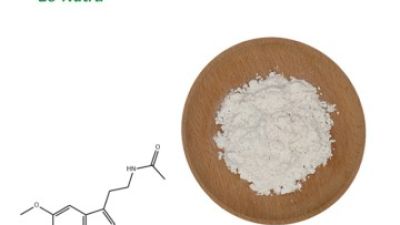
Natural Melatonin Powder for Sleep Support: Benefits, Use, and Better Rest

Melatonin is a hormone the body produces in response to darkness, helping regulate the sleep–wake cycle. A 2013 meta-analysis in *PLOS ONE*, covering 19 randomized trials and 1,683 participants, found that melatonin was associated with an average reduction of about seven minutes in the time needed to fall asleep and an increase of roughly eight minutes in total sleep time. These findings suggest potential support for sleep timing and rest, though individual results can vary.

Melatonin powder can be used as an ingredient in food supplements and pharmaceutical products. The specified material is a white powder with 99% purity and CAS No. 73-31-4. When evaluating a powder for a sleep-support formulation, check its identity, purity documentation, and suitability for the intended application. Use finished products according to their label, and seek advice from a qualified healthcare professional when needed, especially if taking other medicines or managing a health condition.

FAQS

What materials do supplement component manufacturers typically produce?

They may supply vitamin and mineral powders, botanical extracts, amino acids, enzymes, and probiotic preparations. Some also make premixes, capsule shells, carriers, or flow agents. The range varies.

Which production details should buyers check?

Ask about inspection, milling, extraction, drying, and blending processes. Particle size can affect how a powder mixes and moves through filling equipment. Small trials help reveal taste or moisture issues.

How can buyers assess a manufacturer’s production capacity?

Request annual capacity, typical order sizes, lead times, and recent output for the specific ingredient. Advertised maximum capacity may not reflect current availability. Bottlenecks happen.

What records should a supplier provide?

Request batch records, raw-material traceability, quality procedures, and a lot-specific certificate of analysis. Check that documents match the product and production site. A certificate is not enough.

What should quality documents show?

Look for test methods and limits covering identity, purity, microbial results, and heavy metals. Ask how samples are retained and complaints investigated. “Passed” alone says little.

How can buyers evaluate factory practices?

Check storage conditions, calibrated scales, cleaning records, and equipment maintenance. Ask how staff handle unusual results or supplier changes. A video tour helps, but cannot show every shift.

Do certifications prove a product is suitable for export?

Not by themselves. Confirm that certificates cover the actual site and product category. Have qualified staff review destination-market documents, labels, and specifications.

What should buyers ask about changes and shipping?

Ask for advance notice of changes to sources, processes, or specifications. Review stability data, packaging, and storage guidance for hot or humid transit. One visit cannot prove consistent performance.

Conclusion

This article explores China’s Supplement Components manufacturing sector, explaining what ingredient producers make and how the industry is organized. It outlines practical ways to assess a manufacturer’s scale and capabilities, including production capacity, technical expertise, quality systems, and ability to serve different customer requirements. The article also presents profiles of ten leading manufacturers without focusing on brand names, offering a framework for understanding the range of businesses active in the market.

Readers will learn about common ingredient categories, product forms, and production technologies, as well as the quality controls and certifications manufacturers may use to support consistent output. The final section considers how companies approach international markets and what buyers can examine when comparing potential suppliers, helping them make informed decisions based on capabilities, documentation, and quality standards.
Amelia

Amelia

Amelia is a dedicated professional marketing specialist with a deep commitment to promoting natural, healthy, and innovative raw materials. As an integral part of our team, she channels her extensive knowledge into researching and marketing products that significantly enhance the fields of......
Previous Why Do Buyers Choose Protein Hydrolysates?
Next China Best Protein Peptides for Beverage Solubility